

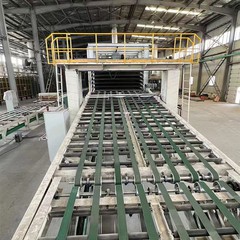
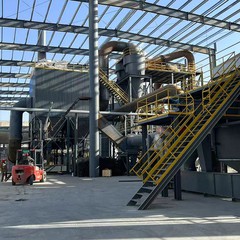
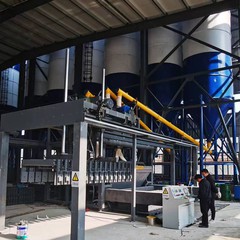
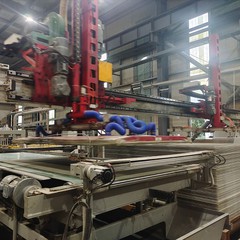
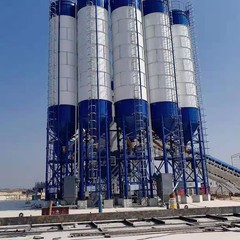



Hey there, folks! I'm a supplier of general calcium silicate board production lines, and today I wanna chat about something super important in our industry: the influence of equipment wear on the production of a general calcium silicate board production line.
First off, let's talk about what calcium silicate boards are. These are super useful building materials known for their fire - resistance, insulation, and durability. They're used in all sorts of construction projects, from residential buildings to commercial complexes. And as a production line supplier, I know how crucial it is to keep those lines running smoothly.
Now, equipment wear is an inevitable part of any manufacturing process. Over time, the constant operation of machinery causes parts to rub against each other, heat up, and gradually wear down. In a general calcium silicate board production line, this wear can have a bunch of different impacts.
1. Product Quality
One of the most obvious effects of equipment wear is on the quality of the calcium silicate boards. When machines like mixers, presses, or cutters start to wear out, the precision of the production process is compromised. For example, a worn - out press might not apply consistent pressure across the board, leading to uneven thickness. This unevenness can affect the strength and appearance of the final product.
The surface finish of the boards can also take a hit. If the cutting blades are worn, they might leave rough edges on the boards. Customers expect smooth, high - quality calcium silicate boards, and any degradation in quality can lead to dissatisfaction and a loss of business. And let's face it, in today's competitive market, you can't afford to have a reputation for producing sub - standard products.
2. Production Efficiency
Equipment wear can seriously slow down the production line. As parts wear, they become less efficient at performing their tasks. A conveyor belt with worn - out rollers might move slower, causing bottlenecks in the production flow. This means that the overall output of the production line decreases.
Maintenance and repair also eat into production time. When a machine breaks down due to excessive wear, it has to be shut down for repairs. These unplanned downtime periods can disrupt the production schedule and lead to missed deadlines. In the long run, lower production efficiency means higher costs per unit, which is a major headache for manufacturers.
3. Safety Risks
Worn - out equipment poses significant safety risks. For instance, loose or worn belts in the machinery can suddenly snap, causing flying debris that could injure workers. Electrical components that are damaged due to wear might short - circuit, leading to electrical shocks or even fires.
As a supplier, I always stress the importance of safety in the production environment. Not only is it a moral obligation to protect workers, but it also makes good business sense. Workplace accidents can lead to legal issues, increased insurance premiums, and a damaged reputation.
4. Cost Implications
The cost implications of equipment wear are far - reaching. First, there are the direct costs associated with replacing worn parts. These parts can be quite expensive, especially for high - tech machinery used in modern production lines.
On top of that, as I mentioned earlier, there are the costs of lost production due to downtime. If a production line is shut down for a few days for repairs, that means a significant loss of revenue. And then there are the costs related to quality control. If a batch of sub - standard boards is produced because of equipment wear, they might have to be scrapped, resulting in wasted materials and labor.
How to Mitigate the Impact of Equipment Wear
So, what can we do to minimize these negative effects of equipment wear? Regular maintenance is key. By scheduling routine inspections, lubrication, and part replacements, we can catch wear and tear early and prevent major breakdowns.
Investing in high - quality equipment from the start can also make a big difference. Quality machines are often more durable and require less frequent repairs. And don't forget about training. Ensuring that operators are properly trained to use and maintain the equipment can significantly extend its lifespan.
As a supplier, I offer various types of calcium silicate board production lines, each with its own unique features. You might be interested in our Energy - saving Calcium Silicate Board Production Line, which helps reduce energy costs over time. Or perhaps our Full - automatic Calcium Silicate Board Production Line that enhances production efficiency with its automated processes.
For those who are environmentally conscious, our Eco - friendly Calcium Silicate Board Production Line is a great option as it minimizes the environmental impact of production. And if you're looking for the latest in technology, check out our Intelligent Control Calcium Silicate Board Production Line that allows for precise control and monitoring of the production process.
If you're in the market for a general calcium silicate board production line, I'd love to talk to you. Whether you have questions about equipment wear, our different lines, or just wanna get a quote, don't hesitate to reach out. We're here to help you set up a production line that runs smoothly and efficiently, minimizing the impact of equipment wear.


References
- Smith, J. (2018). "Best Practices in Calcium Silicate Board Manufacturing". Manufacturing Today Journal
- Brown, A. (2019). "Equipment Maintenance Strategies for Industrial Production Lines". Industrial Engineering Magazine
- Green, C. (2020). "The Importance of Safety in Calcium Silicate Board Production". Safety First Quarterly