




egg Tray Equipment
↵
Egg Tray Production Line & Molded Pulp Equipment Solution
Shineye engineered egg tray production lines convert waste paper into durable molded pulp trays through a highly synchronized, automated manufacturing process. A complete industrial egg tray line incorporates waste paper pulping, precision vacuum forming, high-efficiency moisture drying, automatic stacking, and optional hot-pressing or bundling systems.
Because pulp consistency directly governs shell thickness, vacuum stability controls water extraction, and drying efficiency determines plant energy consumption, Shineye configures every molded pulp system to match specified hourly capacity, raw material characteristics, workshop dimensions, local energy sources, and automation requirements.


↵
Key Engineering Considerations for Egg Tray Plant Planning
Selecting an egg tray machine solely based on nominal hourly output can lead to undersized drying tunnels, excessive power consumption, or spatial bottlenecks. Prior to finalizing system architecture, Shineye conducts a complete project assessment based on:
Complete Molded Pulp Egg Tray Production Line Configuration
Pulping System
Equipment: High-consistency hydrapulper, pulp pump
Function: Disintegrates waste paper with water to liberate wood fibers into a uniform slurry.
Screening & Pulp Conditioning System
Equipment: Vibrating screen, pulp chest agitators, water pumps
Function: Filters out contaminants (plastics, staples, film) and maintains constant fiber suspension.
Slurry Proportioning & Mixing System
Equipment: Metering tank, slurry pump, consistency controller
Function: Adjusts slurry density to precise operating levels (0.8% - 1.2%) for uniform wall thickness.
Egg Tray Vacuum Forming Machine
Equipment: Precision forming unit, transfer mold mechanism, spray nozzles
Function: Uses vacuum suction to deposit fibers onto wire mesh molds, forming wet tray structures.
High-Vacuum Dewatering System
Equipment: Water-ring vacuum pump, vacuum separator tank, drainage pump
Function: Extracts excess water during forming, lowering wet tray moisture content down to 68%–72%.
Compressed Air & Mold Cleaning System
Equipment: Air compressor, air receiver tank, high-pressure auto-washers
Function: Facilitates wet tray blow-off transfer and cleans forming molds on every production cycle.
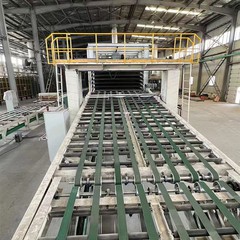
Continuous Drying System
Equipment: Multi-layer metal drying tunnel / Single-layer burner system
Function: Evaporates residual moisture to reduce final product water content to below 8%–10%.
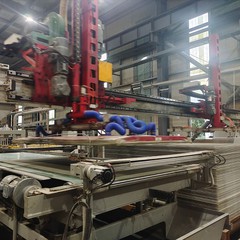
Automatic Stacking & Packing System
Equipment: Pneumatic counter-stacker, heavy-duty hydraulic baler
Function: Counts, stacks, and compresses finished egg trays into standard transport bundles.
Integrated Electrical Control System
Equipment: Centralized PLC control panel, touch-screen HMI, variable frequency drives (VFD)
Function: Synchronizes line speed, monitors vacuum pressure, and maintains thermal stability.
The Complete Egg Tray Manufacturing Process Flow
Step 1: Waste Paper Disintegration & Fiber Dispersion Recycled paper stock (corrugated boxes, newspapers, magazines) is fed into the hydrapulper. Mechanical shearing action separates paper fibers without destroying fiber length, creating a dense raw slurry.
Step 2: Mechanical Refining & Contaminant Removal The raw pulp passes through vibrating screens and heavy-density cleaners to strip away non-papermaking impurities (staples, plastic shreds, sand), preventing mold clogging and equipment wear.
Step 3: Slurry Consistency Adjustment In the pulp supply tank, water and additive chemical agents (such as sizing or waterproofing agents, if specified) are mixed under continuous agitation to hold slurry consistency within ±0.05% tolerance.
Step 4: Precision Vacuum Molding The slurry enters the forming vat. Molds descend into the pulp while a high-capacity water-ring vacuum pump creates sub-atmospheric pressure. Paper fibers deposit evenly onto the stainless steel mesh mold while liquid is drawn off.
Step 5: Pneumatic Transfer of Wet Trays Once forming completes, the transfer mold engages. Compressed air blow-back releases wet trays onto the transfer mechanism without structural distortion or edge tearing.
Step 6: Thermal Drying & Moisture Evaporation Wet trays (containing approximately 70% moisture) enter the drying system. Heated air (160°C – 220°C) passes across the trays to evaporate moisture until the final moisture content reaches 8% – 10%.
Step 7: Automatic Counting, Stacking, and Hydraulic Baler Pressing Dried trays pass through an automatic counting and stacking unit. To optimize shipping container space, trays are compressed using a hydraulic baling machine before palletizing.
Technical Parameters & Engineering Specifications
|
Technical Parameter |
Specification |
|
Production Capacity |
1,000 pcs/h to 8,000+ pcs/h, based on standard 30-cell, 100 g egg trays |
|
Raw Material Compatibility |
Waste corrugated cartons (OCC), old newspapers (ONP), office paper, and pulp board |
|
Mold Material Options |
Machined aluminum alloy, brass, or CNC-milled stainless steel with durable mesh covers |
|
Forming Mechanism Options |
Reciprocating, 4-face rotary, 8-face rotary, or 12-face rotary configurations |
|
Final Product Moisture |
≤8–10% after standard drying |
|
Compatible Heat Sources |
Natural gas, diesel, LPG, heavy oil, steam, or thermal oil systems |
|
Power Voltage & Standard |
Customized to the destination-country grid, such as 380V/50Hz/3P, 410V/50Hz, or 460V/60Hz |
|
Auxiliary System Ratings |
Sized according to the vacuum, compressed-air, and water-recycling requirements of the selected production line |

While paper pulp molding handles diverse paper waste, different raw materials affect slurry freeness, drainage speed, and final tray rigidity:
Corrugated Cardboard (OCC): High long-fiber content; yields excellent structural strength and crush resistance.
Old Newspapers (ONP): Flexible short fibers; improves tray surface smoothness and visual finish.
Mixed Waste / Office Paper: Requires proper refining and pulping times to achieve consistent fiber length.
Rejection Systems: Shineye pulping configurations include continuous junk removers and high-density cleaners to isolate sand, glue lines, and staples prior to slurry transfer, extending mold lifetime and protecting pumps.
Structural Fabrication: Precision laser cutting and CNC machining of structural steel frames, followed by anti-corrosion surface treatment.
CNC Mold Manufacturing: Computer-machined aluminum and stainless steel molds ensuring consistent egg cell geometry and dimensional accuracy.
Assembly Alignment Check: Laser alignment of main shafts, drive gears, and rotary transfer bearings to minimize wear and vibration.
Electrical Testing: Full wiring audit and PLC logic verification compliant with international safety norms (CE & ISO 9001 standard guidance).
Factory Acceptance Testing (FAT): Complete dry running and wet slurry operational trials prior to packing and export dispatch.

A successful egg tray enterprise relies on reliable installation, parameter tuning, and operator mastery:
Plant Layout Engineering: Custom CAD floorplans and utility connection schematics.
On-Site Installation Guidance: Experienced engineers dispatched for mechanical assembly and piping setup.
System Commissioning
Fine-tuning vacuum levels, slurry consistency, drive speeds, and burner parameters.
Operator & Maintenance Training
On-site instruction covering routine lubrication, mold cleaning, mesh replacement, and troubleshooting.
Technical & Spare Parts Support
Global supply of wearable components, including mold meshes, transfer valves, gaskets, and filter screens.
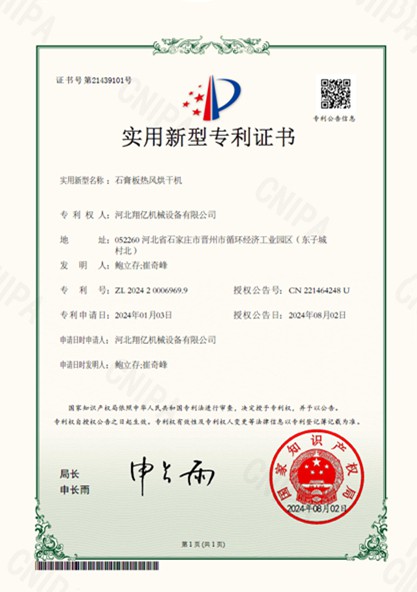
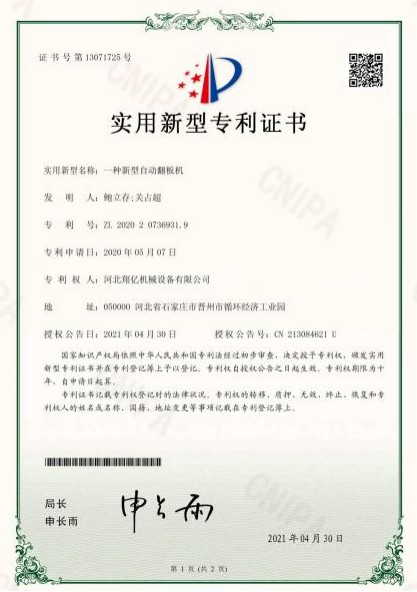
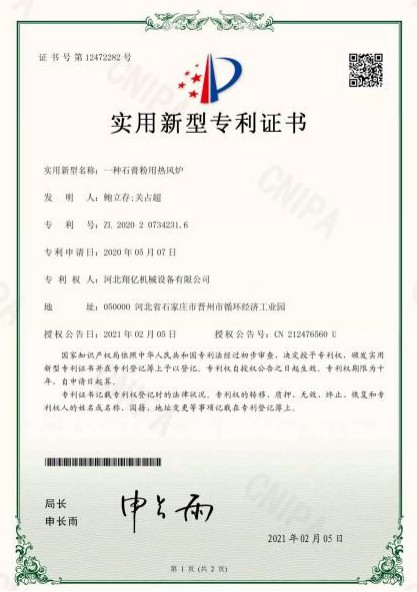
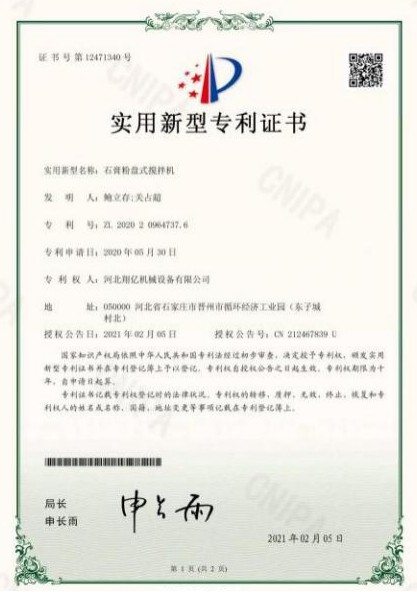
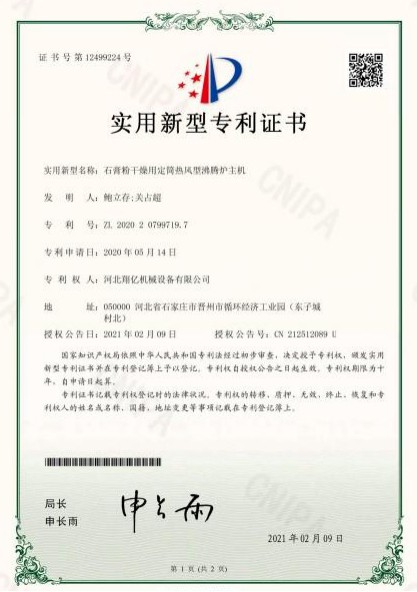
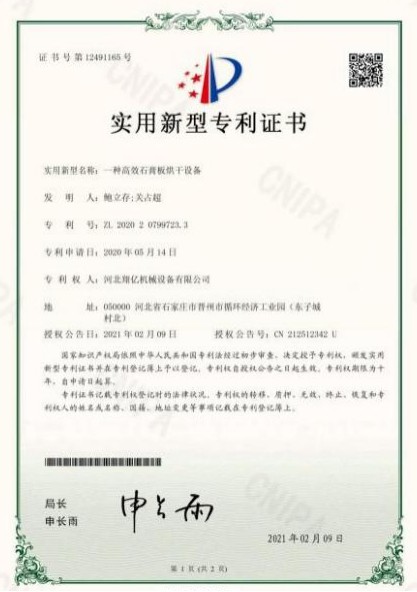
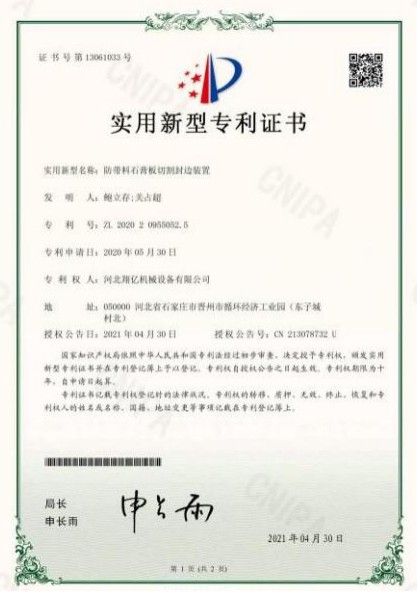
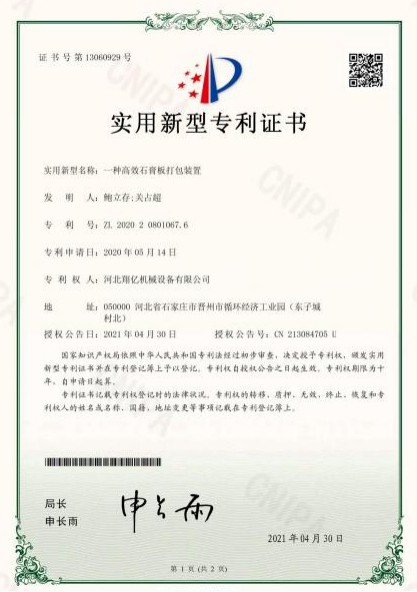
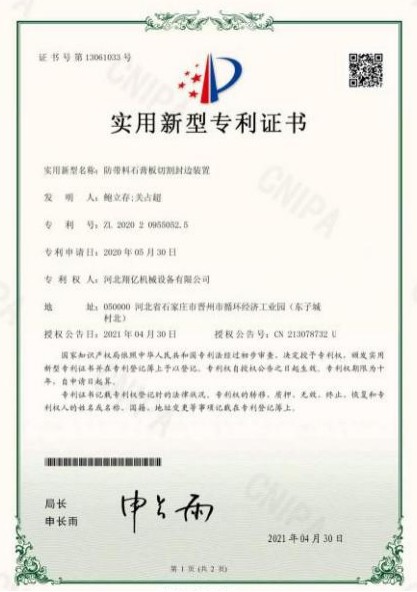
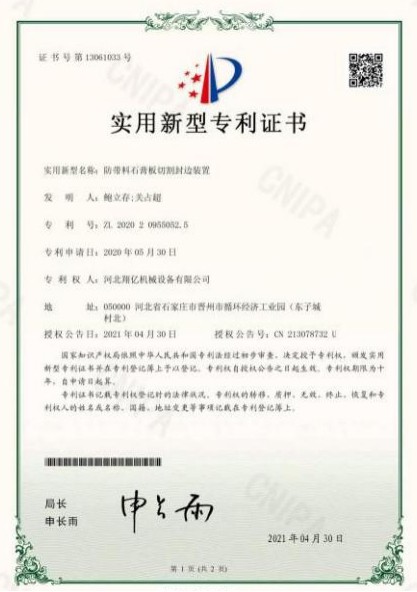
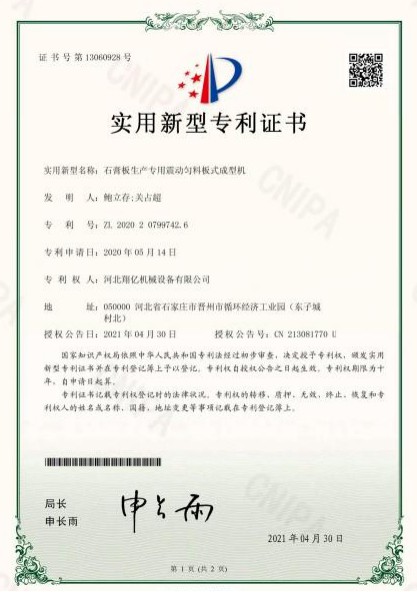
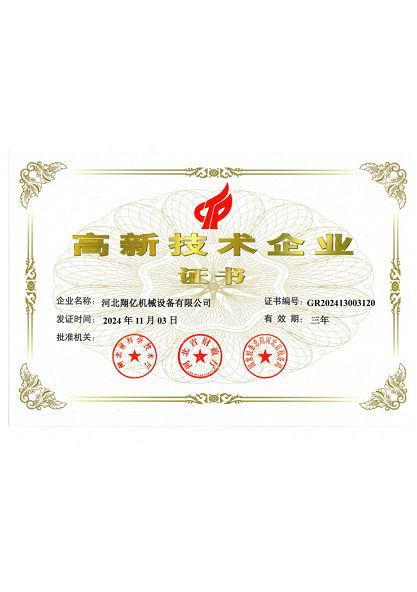
Our Certificate
FAQ
Shineye Mach Co., Ltd. is one of the most reliable manufacturers and suppliers of egg tray equipment in China, also supports customized service with reasonable price. Please feel free to buy advanced egg tray equipment made in China here from our factory. For quotation, contact us now.
sustainable packaging machine