




Gypsum Powder Production Line
Turnkey Gypsum Powder Production Line - Industrial Calcined & Raw Gypsum Powder Processing Solutions
Processing gypsum powder is a delicate thermochemical and mechanical engineering task. A misconfiguration between grinding fineness, flash drying, and calcination retention time results in unstable setting times, phase inconsistency (e.g., unwanted anhydrite formation), and skyrocketing fuel bills.
Shineye Machinery engineers complete, automated gypsum powder production lines tailored to your feed source—whether high-purity natural gypsum rock, high-moisture FGD gypsum, or synthetic phosphogypsum. We deliver guaranteed phase stability (>= 80% beta-hemihydrate content) and lower energy consumption per ton.


Key Technical Parameters & Plant Capabilities
|
Parameter |
Specification |
|
Annual Output |
50,000–500,000 tons/year, customizable |
|
Output Fineness |
80–325 mesh, adjustable through dynamic air classification |
|
Calcination Technology |
Fluidized Bed Calciner / Rotary Kiln / Ebullience Calciner |
|
Target Phase |
Beta-Hemihydrate (CaSO₄·0.5H₂O), ≥80%* |
|
Initial Setting Time |
3–15 minutes, adjustable according to application requirements |
|
Thermal Efficiency |
≥82%, with integrated waste-heat recirculation* |
|
Fuel Options |
Natural Gas / Coal / Heavy Oil / LPG / Biomass / Direct Steam |
|
Automation System |
Fully automated PLC/SCADA with real-time moisture and temperature monitoring |
|
Applicable Standards |
ASTM C472, EN 13279-1, GB/T 9776* |
Gypsum Raw Material Adaptability: Engineered for Your Feedstock
Natural Gypsum Rock (Dihydrate Gypsum)
Processing Route: Heavy-duty primary jaw crushing -> Secondary impact/cone crushing -> Grinding -> Controlled calcination.
Edge: High physical purity, predictable hydration, optimized for high-strength casting and wallboard plaster.
FGD Gypsum (Flue Gas Desulfurization)
Processing Route: Specialized pneumatic feed system -> Rapid surface-water flash drying -> Low-temperature ebullience calcination.
Edge: Handles up to 10-15% initial free moisture without clogging storage silos or calcining chambers.
Phosphogypsum & Chemical Byproducts
Processing Route: Chemical neutralization/washing stage -> High-efficiency thermal drying -> Flash calcination.
Edge: Custom corrosion-resistant alloy liners remove residual fluorine/phosphorus impurities, guaranteeing safe, odorless plaster products.
Processed Powder Applications & Target Specifications

3c electronics
Plasterboard Manufacturing Powder: Requires strict phase ratio control, low water-to-plaster ratio, and stable initial setting time (4-8 mins).

semiconductor
Building Plaster & Wall Putty: High purity, consistent 200-mesh fineness, excellent workability, and crack resistance.

new energy vehicle
Medical & Decorative Gypsum: Fine grinding up to 325 mesh, high whiteness (> 85%), and rapid strength development.

metal processing
Cement Retarder Raw Powder: Coarse raw dihydrate powder (0-50mm or ground 80-mesh) engineered for precise cement setting control.
Crushing & Primary Sizing
Raw gypsum rock is reduced from up to 500mm down to <= 25mm using primary jaw crushers and secondary fine impact crushers, equipped with heavy-duty dust suppression hoods.
Moisture Pre-Drying (For High-Moisture FGD/Phosphogypsum)
High-moisture synthetic gypsum enters a flash dryer utilizing recycled hot flue air, reducing free surface moisture from 12% down to < 1% prior to grinding or calcining.
Precision Grinding & Air Classification
Gypsum is ground in a Raymond mill, European-type trapezium mill, or vertical roller mill. An inline dynamic frequency classifier separates undersized particles, returning oversized material for re-grinding.
Fluidized Bed Calcination (Thermal Dehydration)
Ground dihydrate powder (CaSO4·2H2O) enters the fluidized ebullience calciner. Low-temperature indirect steam/thermal oil heating dehydrates the powder into stable beta-hemihydrate (CaSO4·0.5H2O) while preventing over-burning into dead-burnt anhydrite (CaSO4).
Forced Air Cooling & Phase Stabilization
Freshly calcined hot powder (140-160°C) passes through an inline tubular cooler to reduce temperature below 70°C. This prevents thermal degradation in storage silos and stabilizes setting behavior.
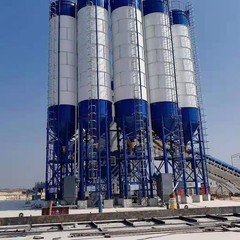
Silo Homogenization & Storage
Multiple finished powder silos feature pneumatic homogenization systems to mix batches, ensuring zero color, fineness, or setting-time variance across shipments.
Automated Packaging & Bulk Dispatch
Finished powder is routed to automated valve-bag packaging machines (25kg/50kg) with automatic weighing (+/- 0.2% accuracy) or directly loaded into bulk cement tanker trucks.
Complete Gypsum Powder Production Line Equipment Scope
|
Plant Module |
Primary Equipment Included |
Performance Target / Design Feature |
|
Crushing System |
Heavy-Duty Jaw Crusher, Impact Crusher, Vibrating Feeder |
Reduces feed rock size from up to 500 mm to ≤25 mm |
|
Drying & Feeding System |
Flash Dryer, Loss-in-Weight Feeder, Screw Conveyors |
Reduces free moisture to <1% while maintaining stable material feeding |
|
Grinding System |
Raymond Mill / Vertical Roller Mill, Dynamic Classifier |
Adjustable product fineness from 80–325 mesh |
|
Calcination Unit |
Fluidized-Bed / Ebullience Calciner, Heat Exchanger |
Temperature control within ±2°C for consistent beta-hemihydrate formation |
|
Cooling System |
Indirect Tubular Cooler / Fluidized-Bed Powder Cooler |
Cools calcined gypsum to <70°C before storage or packing |
|
Environmental Control |
Pulse-Jet Bag Filter Dust Collectors |
Designed for dust emission levels below 20 mg/Nm³, subject to final system configuration and applicable local regulations |
|
Storage & Packing System |
Homogenization Silos, Automatic Valve-Bag Packer |
Packing accuracy ±0.2%; 10–20 bags/min/nozzle, depending on bag size and configuration |
|
Central Control System |
Siemens S7-1500 PLC, WinCC HMI, SCADA System |
Centralized automated control; approx. 3–5 technicians/shift, depending on plant configuration |
Energy & Thermal Efficiency: Lowering Your Production Cost (OPEX)
Energy accounts for up to 60% of daily operational expenses in a calcined gypsum plant. Shineye's advanced thermal management directly addresses your bottom line:
Thermal Energy Consumption
Standardized at 22-26 Nm³ Natural Gas per ton of finished plaster (or equivalent in coal/oil).
Electrical Power Consumption
28-34 kWh per ton (depending on raw rock hardness and target fineness).
Waste Heat Recirculation
Flue gas leaving the ebullience calciner is duct-routed into the raw material pre-dryer or grinding mill, cutting fuel consumption by 12-15%.
Low Maintenance Wear Parts
High-chromium alloy grinding rollers and calciner heating tubes offer continuous service life exceeding 8,000 operating hours.
Site Layout Requirements:
- Workshop Footprint: Approx. 60m x 18m to 120m x 30m (Depending on annual capacity)
- Building Height: Minimum 12m to 18m vertical clearance for silo elevation and gravity flow
- Required Utilities: Industrial power supply (380V-440V, 50/60Hz), natural gas/fuel pipeline, compressed air (0.6-0.8 MPa).
Full Lifecycle Project Scope (Turnkey EPC):
- Site Engineering & Civil Foundation Drawings (Provided within 15 days of contract)
- Precision Equipment Manufacturing & Shop Assembly Testing
- Seaworthy Packaging & International Ocean Freight Logistics
- On-site Mechanical & Electrical Installation Supervision by Lead Engineers
- Cold & Hot Commissioning with Customer's Local Raw Material
- Operator & Lab Technician Training (Purity testing, hydration testing, daily maintenance)
- 12-Month Mechanical Warranty & Lifetime Spare Parts Availability

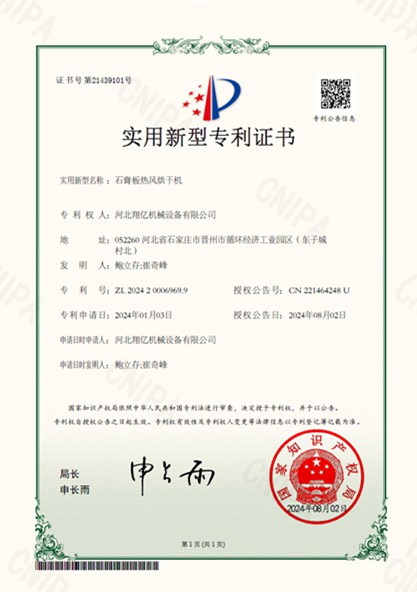
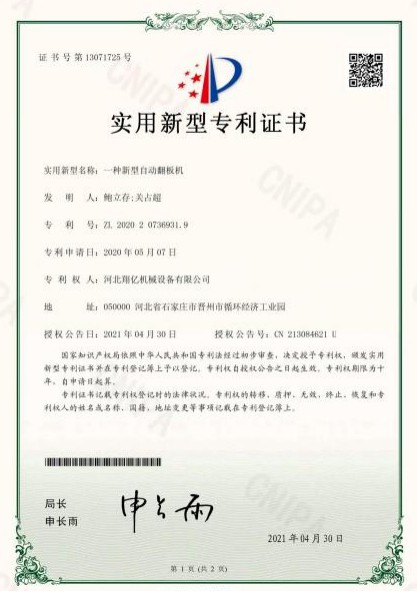
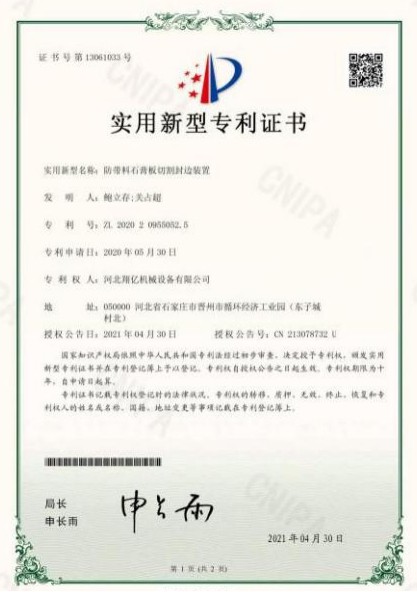
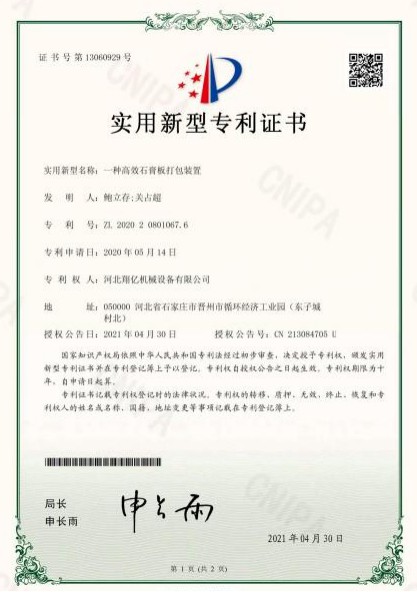
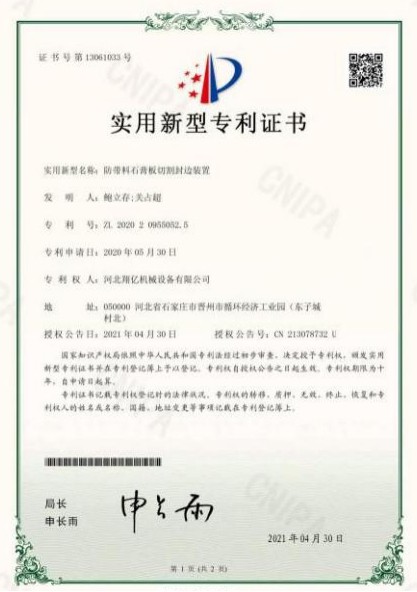
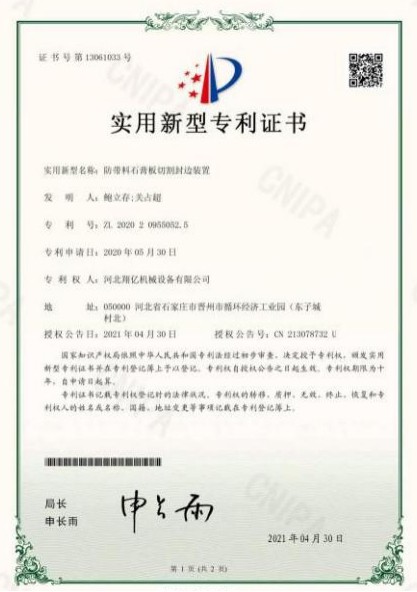
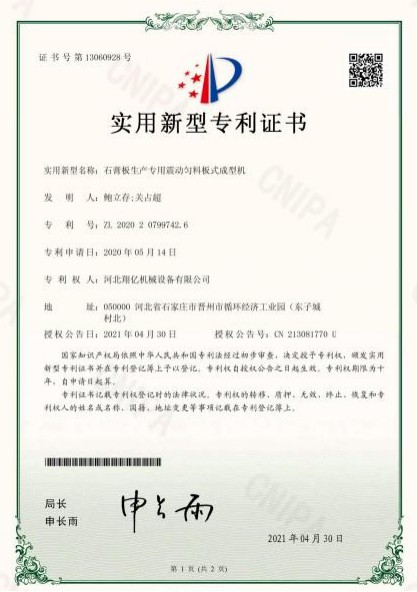
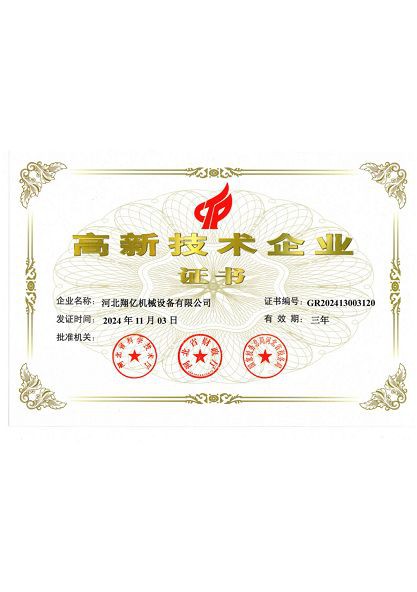
Our Certificate
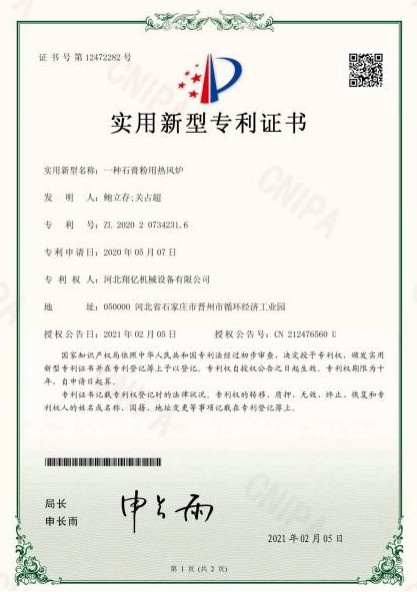
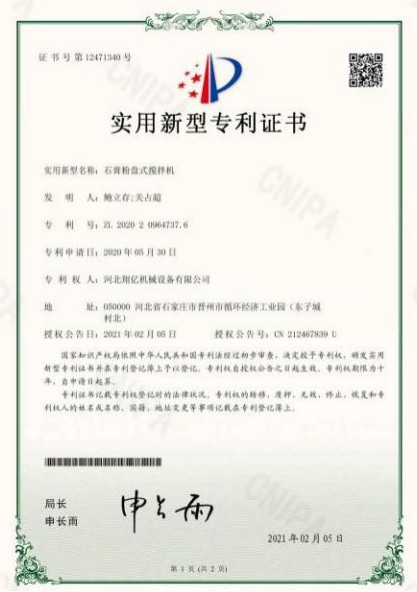
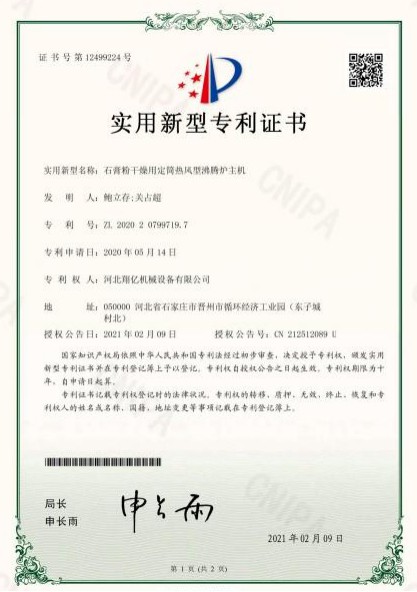
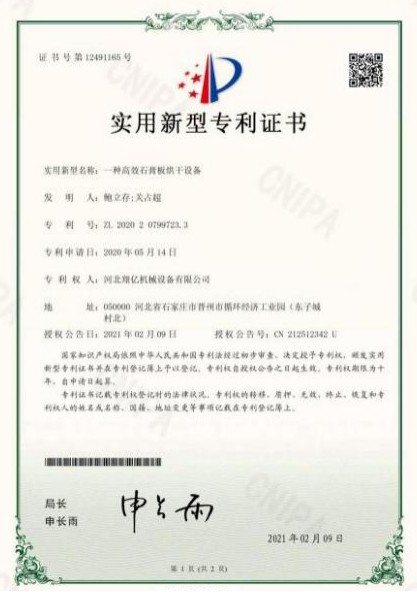
FAQ
Shineye Mach Co., Ltd. is one of the most reliable manufacturers and suppliers of gypsum powder production line in China, also supports customized service with reasonable price. Please feel free to buy advanced gypsum powder production line made in China here from our factory. For quotation, contact us now.