

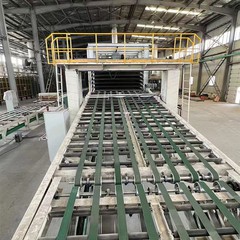
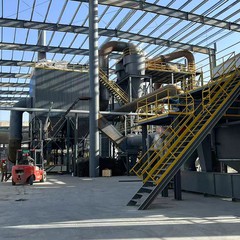
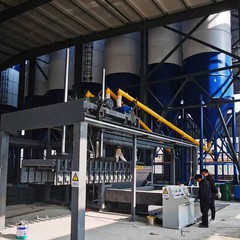
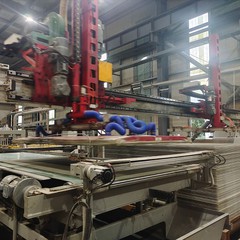
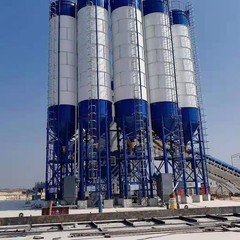



Hey there! I'm a supplier of gypsum block production lines, and I know how important it is to keep your production line clean. A clean production line not only ensures the quality of your gypsum blocks but also extends the lifespan of your equipment. In this blog, I'll share some tips on how to clean a gypsum block production line effectively.
Why Cleaning Your Gypsum Block Production Line is Crucial
First off, let's talk about why cleaning is so important. Gypsum is a fine powder, and it can easily accumulate on the production line. Over time, this buildup can cause a variety of problems. It can clog pipes and valves, which can lead to reduced flow and even equipment breakdown. It can also affect the quality of the gypsum blocks, causing surface imperfections and inconsistent density.
Regular cleaning helps prevent these issues. It keeps the production line running smoothly, reduces the risk of breakdowns, and ensures that your gypsum blocks meet the highest quality standards.
Pre - Cleaning Preparation
Before you start cleaning, there are a few things you need to do. First, make sure the production line is completely shut down. This includes turning off all power sources, water supplies, and any other utilities. Safety should always be your top priority.
Next, gather all the necessary cleaning tools and supplies. You'll need things like brushes, sponges, cleaning agents, and protective gear such as gloves and goggles. It's also a good idea to have a vacuum cleaner on hand to remove loose gypsum powder.


Cleaning the Mixing Area
The mixing area is where the gypsum powder and water are combined. This area tends to get the dirtiest because of the constant contact with gypsum.
Start by using a vacuum cleaner to remove any loose gypsum powder from the mixing tank, hoppers, and surrounding areas. Pay special attention to the corners and crevices where the powder can accumulate.
After vacuuming, use a mild cleaning agent and a brush to scrub the surfaces. Make sure to clean the inside of the mixing tank thoroughly, including the agitator blades. Rinse the area with clean water to remove any remaining cleaning agent.
Cleaning the Conveyor Belts
Conveyor belts are an essential part of the gypsum block production line. They transport the gypsum mixture from one stage to another. Over time, gypsum can stick to the belts, causing them to become less efficient.
To clean the conveyor belts, first, stop the conveyor and use a scraper to remove any large chunks of gypsum. Then, use a cleaning solution and a sponge to wipe down the belts. Make sure to clean both the top and bottom surfaces of the belts.
If the belts are very dirty, you may need to use a more powerful cleaning agent. However, be careful not to damage the belts with harsh chemicals. After cleaning, rinse the belts with clean water and let them dry completely before restarting the conveyor.
Cleaning the Molding and Cutting Areas
The molding and cutting areas are where the gypsum blocks are formed and shaped. These areas can also get dirty from gypsum residue.
Start by removing any excess gypsum from the molds and cutting tools. Use a brush or a scraper to get rid of the stubborn deposits. Then, clean the molds and cutting tools with a cleaning agent and a sponge.
For the molds, make sure to clean the cavities thoroughly to ensure that the gypsum blocks are formed correctly. After cleaning, rinse the molds and cutting tools with clean water and dry them.
Cleaning the Drying Area
The drying area is where the gypsum blocks are dried. This area can accumulate dust and gypsum particles over time.
Use a vacuum cleaner to remove the dust from the drying racks, heaters, and surrounding areas. If there are any stubborn stains, use a cleaning agent and a brush to clean them. Make sure to clean the ventilation system as well to ensure proper air circulation.
Maintaining a Clean Production Line
Cleaning your gypsum block production line is not a one - time task. It should be part of your regular maintenance routine. Set a schedule for cleaning and stick to it.
Inspect the production line regularly for any signs of wear and tear. Replace any damaged parts as soon as possible to prevent further problems.
Our Gypsum Block Production Lines
As a supplier, we offer a variety of gypsum block production lines to meet different needs. Check out our Smart Lightweight Gypsum Line, which is designed for efficient and precise production. We also have the Large - scale Lightweight Gypsum Block Production Line for high - volume production. And if you need a production line for high - strength gypsum blocks, our Multi - function High - strength Gypsum Block Production Line is a great choice.
Conclusion
Cleaning your gypsum block production line is essential for maintaining its efficiency and the quality of your products. By following these tips, you can keep your production line in top condition. If you're interested in our gypsum block production lines or have any questions about cleaning and maintenance, feel free to reach out to us. We're here to help you make the most of your production line.
References
- Industry standards for gypsum block production line maintenance.
- Manufacturer's guidelines for cleaning and maintenance of gypsum block production equipment.