

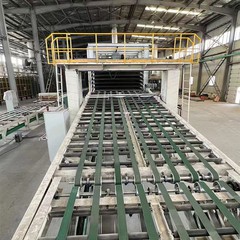
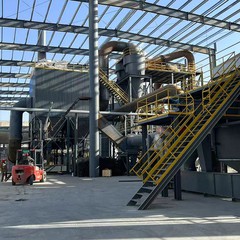
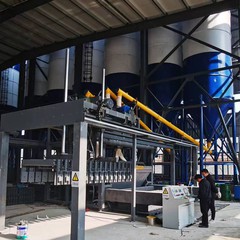
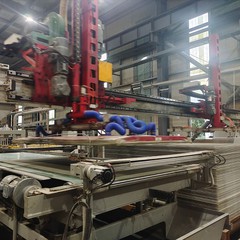
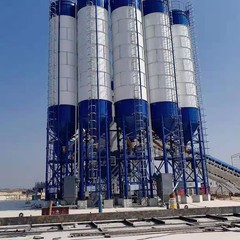



The energy consumption of a gypsum powder production line is mainly concentrated in two core processes: calcination and grinding, which together account for over 70% of the total energy consumption. Among these, the calcination process, requiring a large amount of heat to remove crystal water, is the largest energy-consuming unit; the grinding process, due to the high power consumption of mechanical crushing, follows closely behind.
1. Calcination Process: Largest Source of Energy Consumption (Approximately 40%-50%) Heating dihydrate gypsum (CaSO₄·2H₂O) to convert it into hemihydrate gypsum (CaSO₄·0.5H₂O) requires overcoming the heat of chemical reaction and the heat of water evaporation, resulting in extremely high energy consumption.
Theoretical heat consumption:
Natural gypsum: Approximately 5.02×10⁵~5.86×10⁵ kJ/t (120~140 kcal/kg)
Desulfurized gypsum (10%-15% water content): Actual heat consumption is as high as 7.94×10⁵ kJ/t
Equipment energy efficiency differences:
Fluidized bed furnaces can achieve a thermal efficiency of over 60%, with unit heat consumption as low as 9.6×10⁵ kJ/t gypsum (230 kcal/kg)
Old-style rotary kilns have a thermal efficiency of only 28%-35%, with actual energy consumption reaching 18.4×10⁵~20.9×10⁵ kJ/t (400~500 kcal/kg)
Energy-saving measures: Using a waste heat recovery system to preheat raw materials or air can reduce the overall system energy consumption by 20%-30%.

2. Grinding Stage: The second largest energy-consuming unit (accounting for approximately 25%-35%). Grinding crushed gypsum to 80-3000 mesh requires a large amount of electricity to drive the mill.
Equipment Energy Consumption Comparison: The unit energy consumption of European-style grinding mills is 1.02–1.48 kWh/t, 60% lower than ball mills. Vertical mills integrate drying and grinding, reducing energy consumption by 40%-50% compared to traditional ball mills.
Influencing Factors: Feed particle size, moisture content, finished product fineness, and equipment sealing all directly affect energy consumption.