

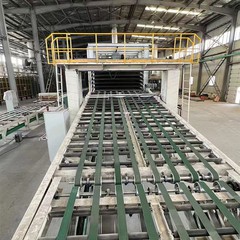
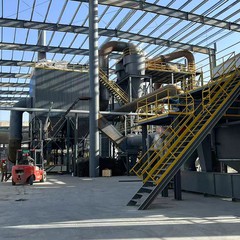
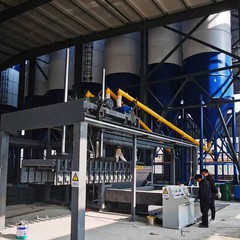
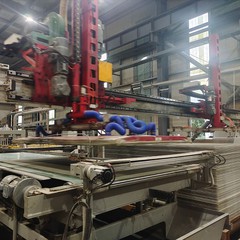



As a supplier of the Hollow Gypsum Block Production Line, I've seen firsthand the importance of proper packaging methods for the products coming out of these lines. So, let's dive into the different packaging methods for hollow gypsum blocks.
1. Plastic Wrap Packaging
One of the most common packaging methods is using plastic wrap. It's a cost - effective and straightforward way to protect the blocks. The plastic wrap acts as a barrier against dust, moisture, and minor scratches during transit.
We usually use a stretch - film plastic wrap. The machines on the production line can automatically wrap the stacks of hollow gypsum blocks. The stretch film adheres tightly to the blocks, creating a secure package. This is great for small - to medium - sized orders.
The advantage of this method is that it's very flexible. You can wrap single blocks or stack them up and wrap them all at once. However, it's not very environment - friendly, as plastic waste is a growing concern.
2. Carton Packaging
For a more professional and protective look, carton packaging is an excellent choice. We use high - quality corrugated cartons that are specifically designed to fit the size of the hollow gypsum blocks.
Each carton can hold a specific number of blocks, usually between 2 to 5 depending on the block size. The cartons have cushioning inside, such as foam inserts or cardboard dividers, to prevent the blocks from hitting each other and getting damaged.
When the blocks come off the Full - automatic Lightweight Gypsum Block Production Line, they are quickly packed into the cartons. Carton packaging is ideal for retail sales, as it gives the product a clean and presentable appearance. But it can be a bit more expensive than plastic wrap, both in terms of the carton material itself and the labor required for packaging.
3. Wooden Crate Packaging
In cases where the blocks need to be shipped over long distances or are at high risk of damage, wooden crate packaging is the way to go. Wooden crates are sturdy and can withstand a lot of rough handling.
We build custom - sized wooden crates for the hollow gypsum blocks. The blocks are carefully placed inside the crate, and then the crate is sealed with nails or screws. Sometimes, we also add some padding inside the crate to further protect the blocks.
This type of packaging is commonly used for large - scale orders that are being exported overseas. The wooden crates can be easily stacked on pallets and loaded onto shipping containers. However, wooden crates are heavy and can add to the overall shipping cost. Also, they require proper storage to prevent rot and insect infestation.


4. Palletizing with Stretch Wrap
Palletizing is another popular method for packaging hollow gypsum blocks. The blocks are stacked on pallets in an organized way. After the stacking is done, the entire pallet of blocks is wrapped with a thick stretch wrap.
This method combines the stability of pallets with the protective properties of stretch wrap. Pallets make it easy to move the blocks around using forklifts or pallet jacks. The stretch wrap keeps the blocks in place on the pallet and protects them from dust and minor impacts.
It's a practical solution for both domestic and international shipping. We often use this method for our products from the Large - scale Lightweight Gypsum Block Production Line, as it can handle a large number of blocks at once. One drawback is that if the stretch wrap gets torn during transit, the blocks may shift on the pallet.
5. Hybrid Packaging Methods
Sometimes, we combine different packaging methods to get the best of both worlds. For example, we might first wrap the blocks in plastic wrap and then place them in a carton. Or, we could palletize the blocks in cartons and then wrap the whole pallet with stretch wrap.
These hybrid methods provide enhanced protection while still being cost - effective. For instance, on our Eco Lightweight Gypsum Line, we might use a combination of recycled cartons and biodegradable stretch wrap to reduce the environmental impact.
Considerations for Packaging
When choosing a packaging method, there are several factors to consider.
Product Characteristics: The size, shape, and weight of the hollow gypsum blocks play a big role. Larger and heavier blocks may require sturdier packaging, like wooden crates. Smaller blocks can be more easily packaged in cartons or with plastic wrap.
Shipping Distance and Mode: If the blocks are being shipped overseas, they need more robust packaging to withstand the long journey and rough handling. For local deliveries, simpler packaging methods may be sufficient.
Customer Requirements: Some customers may have specific packaging requirements, such as a certain type of material or a particular label. We always try to meet these requirements to ensure customer satisfaction.
Cost: Cost is always a factor. We need to balance the cost of packaging with the level of protection it provides. Plastic wrap is generally the cheapest option, while wooden crates are more expensive.
Conclusion
The right packaging method for products from a hollow gypsum block production line depends on a variety of factors. As a supplier, we need to offer a range of packaging solutions to meet the diverse needs of our customers. Whether it's plastic wrap, cartons, wooden crates, palletizing, or a hybrid method, the goal is to ensure that the blocks reach our customers in perfect condition.
If you're interested in purchasing products from our Hollow Gypsum Block Production Line or have any questions about our packaging methods, feel free to reach out. We're here to help you find the best solution for your needs.
References
- Industry reports on building material packaging
- Research on the protection of gypsum - based products during transit