

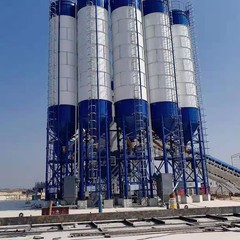



In the dynamic landscape of construction materials production, the efficiency and quality of special mortar mixing plants play a pivotal role. As a seasoned supplier of special mortar mixing plants, I've witnessed firsthand the evolution of these facilities from manual to semi - automated, and now to highly automated systems. In this blog, I'll share some insights on how to upgrade the automation of a special mortar mixing plant.
Understanding the Current State
Before embarking on an automation upgrade, it's crucial to conduct a comprehensive assessment of the existing mixing plant. This involves evaluating the current equipment, processes, and labor requirements. Identify pain points such as inconsistent mixing quality, low production speed, high labor costs, and frequent human errors. For example, if the weighing of raw materials is still done manually, it may lead to inaccurate proportions, affecting the quality of the final mortar product.
Key Areas for Automation Upgrade
Raw Material Handling
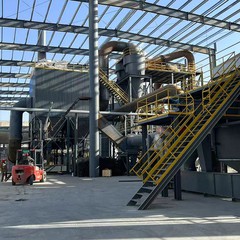
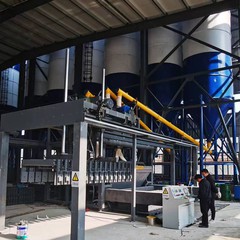
Automating raw material handling is a significant step towards upgrading the plant's automation. This includes the storage, transportation, and weighing of raw materials like cement, sand, additives, and polymers. For instance, using silos with level sensors can automatically monitor the quantity of stored materials. When the level drops below a certain point, an alert can be sent to the management for timely replenishment.
Conveyor belts, screw conveyors, and pneumatic conveying systems can be employed to transfer materials from storage areas to the mixing unit. These systems can be integrated with programmable logic controllers (PLCs) to control the flow rate and ensure accurate material dosing. For example, a screw conveyor can be programmed to deliver a specific amount of sand to the mixer based on the production recipe.
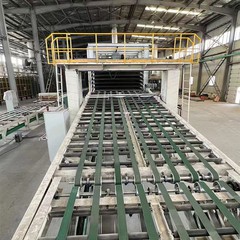
Check out our Self - leveling Mortar Mixing Plant which features advanced raw material handling automation.
Mixing Process
The mixing process is the heart of a special mortar mixing plant. Upgrading the automation of this process can significantly improve the quality and consistency of the final product. Modern mixing units are equipped with high - precision agitators that can be controlled by PLCs. The agitators can adjust the mixing speed, time, and intensity according to the specific requirements of different mortar types.
Real - time monitoring sensors can be installed in the mixer to measure parameters such as temperature, humidity, and viscosity. This data can be transmitted to a control center, where operators can make adjustments in real - time to ensure optimal mixing conditions. For example, if the temperature in the mixer is too high, the cooling system can be automatically activated.
Explore our Waterproof Mortar Mixing Plant which showcases cutting - edge automation in the mixing process.
Packaging and Quality Control
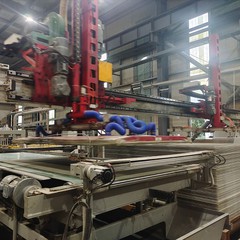
Automation in packaging and quality control is equally important. Automated packaging machines can accurately fill the produced mortar into bags of different sizes, seal them, and label them. These machines can work continuously at a high speed, reducing the need for manual labor and improving packaging efficiency.
Regarding quality control, in - line sensors can be used to detect the moisture content, particle size distribution, and compressive strength of the mortar during the packaging process. If the product does not meet the specified quality standards, it can be automatically rejected, ensuring that only high - quality products reach the market.
Our Special Mixing Plant for Thermal Insulation Mortar comes with advanced packaging and quality control automation.
Technology Integration
Programmable Logic Controllers (PLCs)
PLCs are the backbone of modern automation systems. They can be used to control and monitor various processes in the special mortar mixing plant. PLCs can be programmed to execute complex sequences of operations, such as starting and stopping equipment, adjusting parameters based on sensor feedback, and coordinating the activities of different components.
For example, a PLC can control the entire process from raw material feeding to the final packaging. It can ensure that each step is carried out precisely and in a coordinated manner, reducing the risk of human error and improving overall efficiency.
Human - Machine Interface (HMI)
An HMI provides a user - friendly interface for operators to interact with the automation system. It allows operators to monitor process parameters, set production recipes, and receive alarms and notifications. HMIs can be in the form of touch - screen panels, which are intuitive and easy to use.
Operators can quickly access information such as the current production status, equipment performance, and quality data through the HMI. This enables them to make informed decisions in a timely manner and take corrective actions when necessary.
Internet of Things (IoT)
The IoT technology can be integrated into the special mortar mixing plant to enable remote monitoring and control. Sensors installed throughout the plant can collect data on various parameters and transmit it to a cloud - based platform. This data can be accessed by plant managers and technicians from anywhere in the world using a smartphone, tablet, or computer.
Remote monitoring allows for timely detection of potential problems, proactive maintenance, and optimization of the production process. For example, if a sensor detects an abnormal vibration in a mixer, an alert can be sent to the maintenance team, who can then remotely diagnose the problem and plan for repair.
Training and Support
Upgrading the automation of a special mortar mixing plant not only involves installing new equipment and technology but also requires well - trained personnel. Employees need to be trained to operate and maintain the automated systems effectively.
Provide comprehensive training programs that cover the operation of PLCs, HMIs, IoT systems, and other automated equipment. Offer on - the - job training, theoretical courses, and online resources to ensure that employees have a good understanding of the new systems.
In addition, establish a reliable technical support team to provide timely assistance to operators in case of any problems. The support team should be able to diagnose issues remotely and, if necessary, dispatch technicians to the plant for on - site repair.
Cost - Benefit Analysis
Before making the decision to upgrade the automation of a special mortar mixing plant, it's essential to conduct a cost - benefit analysis. Consider the initial investment required for purchasing new equipment, installing automation systems, and providing training. Also, factor in the ongoing operational costs, such as energy consumption and maintenance.
On the other hand, calculate the potential benefits, including increased production efficiency, improved product quality, reduced labor costs, and lower waste generation. In most cases, the long - term benefits of automation far outweigh the initial investment, leading to significant cost savings and competitive advantages in the market.
Our Full - automatic Special Mortar Mixing Plant offers a high - return on investment with its advanced automation features.
Conclusion
Upgrading the automation of a special mortar mixing plant is a strategic decision that can bring numerous benefits to your business. By automating raw material handling, mixing, packaging, and quality control processes, integrating advanced technologies, providing proper training, and conducting a cost - benefit analysis, you can transform your plant into a highly efficient and productive facility.
If you're interested in upgrading your special mortar mixing plant or exploring our range of automated solutions, we're here to help. Contact us to start a discussion about your specific requirements and how we can assist you in achieving higher levels of automation and productivity.


References
- [Author's Last Name], [Author's First Name]. ["Title of the Book or Article."] [Publication Information], [Year of Publication].
- [Author's Last Name], [Author's First Name]. ["Title of the Book or Article."] [Publication Information], [Year of Publication].
- [Author's Last Name], [Author's First Name]. ["Title of the Book or Article."] [Publication Information], [Year of Publication].
(Replace the content in square brackets with actual relevant information)