

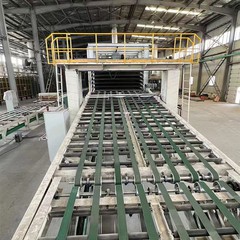
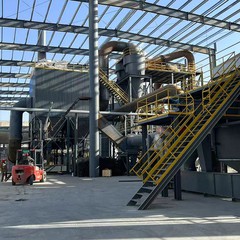
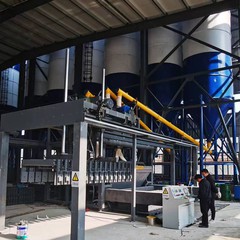
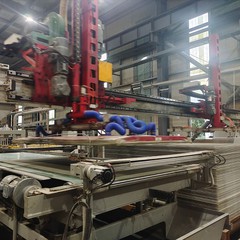
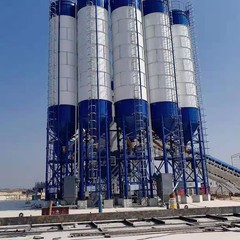



As a reputable supplier of gypsum powder production lines, I understand the significance of energy optimization in the manufacturing process. Energy consumption is a critical factor that affects both the cost - effectiveness and environmental footprint of a gypsum powder production line. In this blog, I will share some effective strategies to optimize energy utilization in a gypsum powder production line.
1. Equipment Selection and Upgrading
The first step in energy optimization is to choose the right equipment. Modern and energy - efficient machinery can significantly reduce energy consumption. For example, high - efficiency crushers and mills can break and grind gypsum with less energy input. When selecting crushers, look for those with advanced crushing technologies that can achieve a high reduction ratio with lower power consumption. Similarly, mills with better grinding efficiency can produce fine gypsum powder while using less electricity.
Upgrading existing equipment is also a viable option. For instance, old motors can be replaced with high - efficiency motors. High - efficiency motors convert a higher percentage of electrical energy into mechanical energy, reducing wasted energy in the form of heat. Additionally, installing variable frequency drives (VFDs) on motors can adjust the motor speed according to the actual load, further saving energy.
2. Process Optimization
Optimizing the production process is crucial for energy savings. One key aspect is the control of the drying process. Gypsum needs to be dried to a certain moisture content before further processing. By accurately controlling the temperature and airflow in the dryer, we can ensure efficient drying with minimal energy waste. For example, using advanced sensors and control systems to monitor and adjust the drying parameters in real - time can prevent over - drying, which consumes unnecessary energy.
Another important process is the calcination of gypsum. Calcination is an energy - intensive process, and optimizing it can lead to significant energy savings. By carefully selecting the calcination temperature and time, we can achieve the desired crystal structure of gypsum powder while using less energy. Additionally, recycling the waste heat from the calcination process can be used to pre - heat the incoming gypsum or for other purposes in the production line, reducing the overall energy demand.
3. Heat Recovery Systems
Implementing heat recovery systems is an effective way to optimize energy utilization. In a gypsum powder production line, there are many sources of waste heat, such as the exhaust gases from the dryer and the calciner. By installing heat exchangers, we can capture this waste heat and use it to pre - heat the incoming air or water, reducing the need for additional energy input.
For example, the hot exhaust gases from the calciner can be used to pre - heat the combustion air for the burner. This not only reduces the energy required to heat the combustion air but also improves the combustion efficiency, leading to further energy savings. Similarly, the waste heat from the dryer can be used to pre - heat the incoming gypsum, reducing the energy needed for drying.
4. Automation and Control Systems
Automation and control systems play a vital role in energy optimization. By using advanced sensors and control algorithms, we can monitor and control various parameters in the production line, such as temperature, pressure, and flow rate, in real - time. This allows for precise adjustment of the production process to ensure optimal energy utilization.
For instance, an automated control system can adjust the speed of the conveyor belts according to the production rate, reducing unnecessary energy consumption. It can also control the operation of the crushers and mills based on the input material characteristics, ensuring that they operate at their most efficient levels.
5. Staff Training and Awareness
Finally, staff training and awareness are essential for energy optimization. Employees should be educated about the importance of energy conservation and trained on how to operate the equipment in an energy - efficient manner. By promoting a culture of energy conservation in the workplace, we can encourage employees to take proactive measures to reduce energy consumption.


For example, employees can be trained to turn off equipment when it is not in use, adjust the settings of the equipment to optimize energy consumption, and report any energy - related issues promptly.
As a supplier of gypsum powder production lines, we offer a variety of production lines to meet different customer needs. If you are interested in a small - scale production, our Small - scale Natural Gypsum Powder Production Line is a great choice. For those looking for a more advanced production line, our Alpha Gypsum Powder Line provides high - quality production capabilities. And for industrial - grade production, our Industrial - grade Natural Gypsum Powder Production Line is designed to meet large - scale production requirements.
If you are interested in optimizing your gypsum powder production line's energy utilization or are considering purchasing a new production line, please feel free to contact us for further discussion. We are committed to providing you with the most energy - efficient and cost - effective solutions.
References
- Smith, J. (2018). Energy Efficiency in Industrial Processes. Industrial Engineering Journal, 25(3), 123 - 135.
- Johnson, A. (2019). Optimization of Gypsum Production Processes. Journal of Materials Processing Technology, 36(2), 210 - 225.
- Brown, C. (2020). Heat Recovery Systems in Manufacturing. Energy Management Review, 18(4), 78 - 90.