

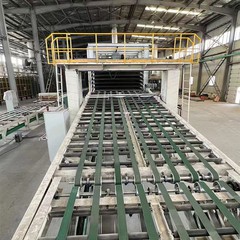
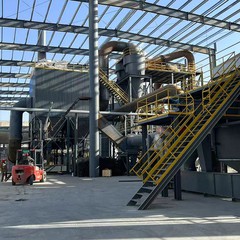
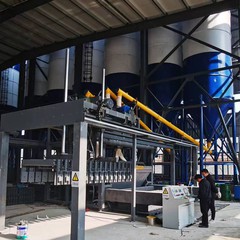
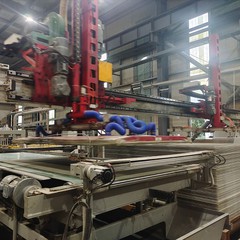
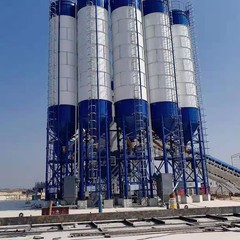



Hey there! As a supplier of the Large - scale Lightweight Gypsum Block Production Line, I've got a lot of hands - on experience in keeping these big - scale setups running smoothly. In this blog, I'll share some tips on how to maintain a large - scale lightweight gypsum block production line.
Understanding the Basics of the Production Line
First off, it's crucial to have a solid understanding of how the production line works. A large - scale lightweight gypsum block production line is a complex system that involves multiple processes, from raw material preparation to the final product output.
The main components usually include a mixer, a mold system, a conveyor belt, and a drying unit. Each part has its own function, and any problem in one component can affect the whole production process. For instance, if the mixer isn't working properly, the gypsum mixture won't be well - blended, which can lead to inconsistent quality in the final blocks.
Regular Inspection and Cleaning
One of the most important aspects of maintenance is regular inspection. You should check the production line daily or at least a few times a week. Look for any signs of wear and tear, such as loose bolts, frayed belts, or damaged parts.
Cleaning is also a must. Gypsum dust can accumulate on the equipment over time, which can cause mechanical problems and affect the quality of the product. Make sure to clean the mixer, conveyor belts, and other parts regularly. Use a vacuum cleaner or compressed air to remove the dust.
Lubrication of Moving Parts
The moving parts of the production line, like the motors, bearings, and gears, need proper lubrication. Lubrication reduces friction, which helps to prevent wear and tear and extends the lifespan of the equipment.
Use the right type of lubricant recommended by the manufacturer. Over - lubrication can be just as bad as under - lubrication, so follow the guidelines carefully. You should also check the lubricant levels regularly and top them up when necessary.
Calibration of Equipment
Accurate calibration of the equipment is essential for producing high - quality gypsum blocks. The mixer needs to be calibrated to ensure the correct ratio of raw materials, and the mold system should be calibrated to produce blocks of the right size and shape.
Regularly check the calibration of the equipment and make adjustments as needed. This may require the use of specialized tools and knowledge, so if you're not sure how to do it, it's a good idea to consult a professional.
Training of Staff
Your staff plays a vital role in the maintenance of the production line. Make sure they are well - trained in operating and maintaining the equipment. Provide them with regular training sessions to keep them updated on the latest maintenance techniques and safety procedures.
Encourage your staff to report any problems they notice immediately. This can help to prevent small issues from turning into major problems.
Spare Parts Management
Having a supply of spare parts on hand is crucial for minimizing downtime in case of equipment failure. Identify the critical spare parts for your production line and keep an adequate stock.
Make sure to source the spare parts from reliable suppliers. Using low - quality spare parts can lead to more problems in the long run.
Upgrading the Production Line
As technology advances, it's a good idea to consider upgrading your production line. Upgrades can improve the efficiency, quality, and environmental friendliness of the production process.


For example, you might want to upgrade to a Smart Lightweight Gypsum Line which uses advanced automation technology to optimize the production process. Or, an Eco Lightweight Gypsum Line can help to reduce energy consumption and waste.
Environmental Considerations
Maintaining a large - scale lightweight gypsum block production line also involves environmental considerations. The production process can generate dust and waste, which can have an impact on the environment.
Implement measures to reduce dust emissions, such as installing dust collectors. Also, find ways to recycle the waste gypsum, which can not only reduce environmental impact but also save costs. Consider using an Eco - friendly Lightweight Gypsum Block Production Line which is designed to be more environmentally sustainable.
Troubleshooting Common Problems
Even with regular maintenance, problems can still occur. Here are some common problems and how to troubleshoot them:
1. Inconsistent Block Quality
If the gypsum blocks have inconsistent quality, it could be due to problems with the mixer or the mold system. Check the calibration of the mixer to ensure the correct ratio of raw materials. Also, inspect the mold system for any damage or blockages.
2. Equipment Breakdown
In case of equipment breakdown, first, try to identify the problem. If it's a simple issue, such as a loose belt or a blown fuse, you can fix it yourself. However, for more complex problems, it's best to call in a professional technician.
3. Low Production Efficiency
Low production efficiency can be caused by various factors, such as equipment malfunction, improper operation, or a bottleneck in the production process. Analyze the production process to identify the root cause and take appropriate measures to improve efficiency.
Conclusion
Maintaining a large - scale lightweight gypsum block production line is a challenging but rewarding task. By following the tips above, you can ensure the smooth operation of your production line, produce high - quality gypsum blocks, and reduce costs in the long run.
If you're interested in our Large - scale Lightweight Gypsum Block Production Line or other related products like the Hollow Gypsum Block Production Line, don't hesitate to reach out for a procurement discussion. We're here to help you get the most out of your production setup.
References
- Industry standards for gypsum block production
- Manufacturer's manuals for production line equipment