

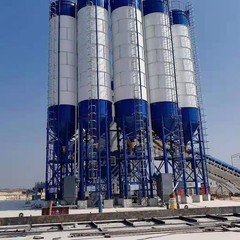



Hey there! As a supplier of high - strength calcium silicate board production lines, I've seen firsthand how crucial it is to ensure the flatness of the products these lines churn out. Flatness isn't just about aesthetics; it directly impacts the functionality and usability of the calcium silicate boards. In this blog, I'll share some tips and tricks on how to guarantee that the boards coming off your production line are as flat as can be.
1. Raw Material Quality
The journey to flat calcium silicate boards starts with the raw materials. You can't expect a smooth end - product if your inputs are subpar. The main ingredients for calcium silicate boards are usually silica sand, lime, and fiber.
- Silica Sand: Make sure the silica sand has a consistent particle size distribution. If the particles are too large or too uneven, it can lead to density variations in the board, which in turn affects flatness. We recommend sourcing high - grade silica sand from reliable suppliers.
- Lime: The reactivity of lime is key. Low - quality lime may not react properly with the silica, causing uneven curing and warping of the boards. Test the lime regularly to ensure its quality meets the production requirements.
- Fiber: Fibers reinforce the board and help maintain its structure. Use fibers with good length - to - diameter ratios. Weak or short fibers won't provide adequate support, potentially leading to flexing and non - flatness.
2. Mixing Process
Once you've got your raw materials sorted, the mixing process is the next critical step.
- Uniform Mixing: The key is to ensure that all the raw materials are thoroughly and evenly mixed. Inconsistent mixing can result in areas of different densities within the board, which is a recipe for unevenness. Use high - quality mixers that can handle the volume and intensity required for calcium silicate board production. Consider adjustable speed settings to optimize the mixing process.
- Additives: Sometimes, additives are used to improve certain properties of the board. However, these need to be added in the right proportions and at the right time during the mixing process. Incorrect use of additives can disrupt the balance of the mixture and affect flatness.
3. Forming and Pressing
The forming and pressing stages are where the board truly starts to take shape, and getting them right is essential for flatness.
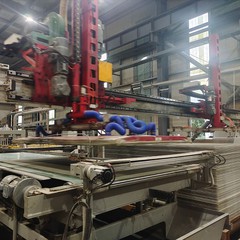
- Forming Machine: The forming machine should be calibrated regularly. Any misalignment or wear and tear can cause the board to be formed unevenly. Check the belts, rollers, and other components frequently to ensure they are in good working condition.
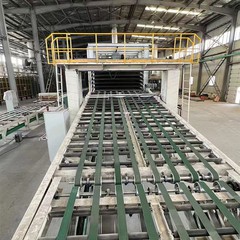
- Pressing: The pressure applied during the pressing process must be uniform across the entire board. Uneven pressure can lead to bulges or dents. Our Precision Pressing Calcium Silicate Board Production Line is designed to provide consistent pressure, helping to achieve excellent flatness. Make sure to set the appropriate pressure based on the thickness and density requirements of the board.
4. Curing Process
Curing is when the chemical reactions take place that give the board its strength and stability.
- Temperature and Humidity Control: Maintaining the right temperature and humidity levels during curing is vital. Fluctuations can cause the board to expand or contract unevenly, resulting in warping. Use a well - controlled curing chamber with monitoring systems to ensure stable conditions throughout the curing period.
- Curing Time: Don't rush the curing process. Each board type has an optimal curing time, and not following it can lead to structural issues and non - flatness. Let the boards cure fully before moving them on to the next stage of production.
5. Cutting and Finishing
Even after the board is cured, there are still steps to take to ensure its flatness.
- Cutting Machines: High - precision cutting machines are a must. A dull or misaligned cutter can cause the edges of the board to be rough or uneven, which can affect the overall flatness impression. Regularly maintain and sharpen your cutting tools.
- Finishing Operations: Sanding, polishing, or applying surface treatments should be done carefully. These processes can either enhance or detract from the flatness of the board. Use finishing equipment that can provide a consistent finish across the board surface.
6. Quality Control
Implementing a robust quality control system is the safety net that catches any potential flatness issues before the boards reach the market.
- Inspection Tools: Use tools like laser levels, straightedges, and calipers to measure the flatness of the boards. Conduct random inspections at various stages of production, from the newly formed boards to the finished products.
- Data Analysis: Keep records of the inspection results. Analyzing this data can help you identify trends and areas for improvement in the production process. If you notice a recurring flatness issue, you can take targeted actions to fix it.
7. Training and Maintenance
Your production line is only as good as the people operating it and the condition it's in.


- Operator Training: Ensure that your operators are well - trained in all aspects of the production process, from raw material handling to quality control. Knowledgeable operators are more likely to spot and address potential flatness issues early on.
- Equipment Maintenance: Regular maintenance of your production line is non - negotiable. Lubricate moving parts, replace worn - out components, and keep the equipment clean. A well - maintained production line is more likely to produce flat and consistent boards.
Conclusion
Ensuring the flatness of high - strength calcium silicate boards produced by your production line is a multi - faceted process. It starts with the quality of your raw materials, continues through each stage of production, and concludes with a rigorous quality control system.
If you're in the market for a production line that can help you achieve outstanding flatness, we've got you covered. Our Specialized Calcium Silicate Board Production Line for Exterior Walls and High - density Calcium Silicate Board Production Line are designed with the latest technology to produce top - quality, flat calcium silicate boards.
If you're interested in learning more about our production lines or want to discuss your specific needs, don't hesitate to get in touch with us. Let's work together to take your calcium silicate board production to the next level!
References
- Industry best practices for calcium silicate board production
- Technical manuals of calcium silicate board production equipment