

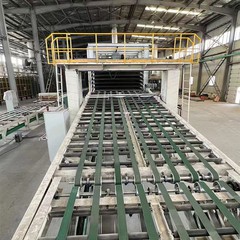
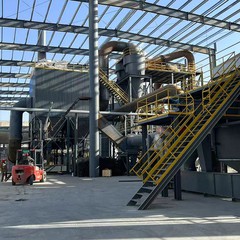
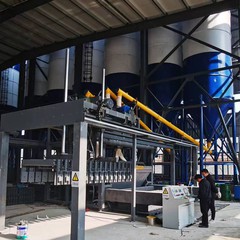
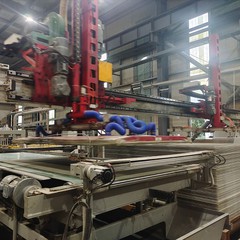
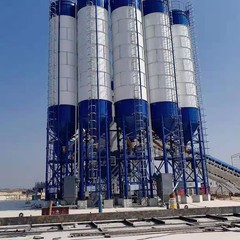



Hey there! As a supplier of Heavy Duty Gypsum Block Line, I often get asked about how long these lines can actually serve. Well, let's dig into this topic and explore what affects the service life of a heavy-duty gypsum block line.
Basic Factors Influencing the Service Life
First off, the quality of materials used in manufacturing the line plays a huge role. A Heavy Duty Gypsum Block Line is made up of various components like mixers, conveyors, molds, and control systems. If high - grade materials are used in these parts, they're more likely to withstand wear and tear over time. For example, a mixer made of corrosion - resistant steel will last longer than one made of lower - quality metal that can rust easily.
The design and engineering of the line also matter a great deal. A well - designed line will have optimal stress distribution among its components. When the forces acting on different parts of the line are evenly spread, it reduces the chances of premature failure. Our Heavy Duty Gypsum Block Line is engineered with this in mind, using advanced design principles to ensure long - term performance.
Maintenance and Its Impact
Maintenance is another key factor in determining the service life of a gypsum block line. Regular maintenance can add years to the equipment's lifespan. This includes tasks like lubricating moving parts, checking and replacing worn - out belts, and cleaning the entire system to prevent the build - up of gypsum residue.
For instance, if you have a conveyor belt in your line, failing to keep it clean can cause the material to stick, which in turn increases the load on the motor and other related components. Over time, this can lead to more frequent breakdowns and a shorter overall service life. On the other hand, a well - maintained line can continue to operate smoothly for a long time.
Operating Conditions
The operating conditions also have a significant influence. If the line is running in a harsh environment with high temperatures, high humidity, or a lot of dust, it will face more challenges. For example, in a workshop where proper ventilation is lacking, the excessive heat and moisture can affect the electrical components of the line.


Moreover, the frequency and intensity of use matter. A line that runs 24/7 at full capacity will experience more wear compared to one that runs for a few hours a day at a lower capacity. But don't worry! Our Heavy Duty Gypsum Block Line is built to handle heavy - duty operations. It's designed to perform well under tough conditions, whether it's used continuously or intermittently.
Comparison with Other Types of Gypsum Block Lines
Let's compare the Heavy Duty Gypsum Block Line with some other types of production lines. Take the Precision Gypsum Block Line for example. The precision line is more focused on producing high - precision gypsum blocks. While it has its own advantages, the heavy - duty line is generally more robust and can handle a higher volume of production.
The Multi - function High - strength Gypsum Block Production Line offers multiple functions, such as the ability to produce different sizes and shapes of gypsum blocks. However, the heavy - duty line is more about high - volume, long - term production. It's like a workhorse that can keep going for years.
The Modular High - strength Gypsum Block Production Line is modular in design, which means it can be easily expanded or reconfigured. But the heavy - duty line has a solid, integrated structure that is less prone to mechanical failures due to its non - modular nature, making it a reliable choice for long - term use.
The Full - automatic High - strength Gypsum Block Production Line is automated for maximum efficiency. The heavy - duty line can also be equipped with automation features, but it stands out for its durability. It can endure the rigors of continuous operation even in an automated environment.
Estimating the Service Life
So, how long can you expect a heavy - duty gypsum block line to last? Well, on average, if well - maintained and operated under reasonable conditions, a good - quality heavy - duty gypsum block line can serve for 10 to 15 years. Some high - end models that are made with top - notch materials and engineering can even last up to 20 years.
But remember, this is just an estimate. The actual service life can be shorter or longer depending on the factors we've discussed above. For example, if you neglect maintenance and run the line in extremely harsh conditions, you might start seeing major problems after just a few years. On the contrary, with excellent maintenance and proper operation, your line can serve you well beyond the 15 - year mark.
Why Choose Our Heavy Duty Gypsum Block Line
As a supplier, we take pride in offering a Heavy Duty Gypsum Block Line that is built to last. Our line is made with the highest - quality materials, ensuring its resistance to corrosion, wear, and tear. We also have a team of experts who can provide you with detailed maintenance guidelines and support.
We understand that every business has different needs, and we can customize our line according to your specific requirements. Whether you need a small - scale line for a local project or a large - scale line for a national supply, we've got you covered.
Ready to Make a Purchase?
If you're in the market for a reliable and long - lasting Heavy Duty Gypsum Block Line, I encourage you to reach out. We're here to answer any questions you might have, provide you with detailed product information, and discuss the best solution for your business. Don't miss out on the opportunity to invest in a production line that can serve your needs for decades.
References
- General manufacturing knowledge about gypsum block production lines
- Industry reports on the lifespan of heavy - duty industrial equipment