




As a supplier of Large - scale Lightweight Gypsum Block Production Lines, I've witnessed firsthand the importance of an optimized layout for maxiThe layout of a production line isn't just about arranging machinery; it directly affects efficiency, productivity, and overall operational costs. In this blog post, I'll share some insights on how to achieve an optimized layout for a large - scale lightweight gypsum block production line.
Understanding the Production Process
Before diving into layout optimization, it's crucial to have a comprehensive understanding of the lightweight gypsum block production process. The typical process includes raw material storage, mixing, molding, curing, and packaging. Each stage has its own requirements in terms of space, equipment, and workflow.
Raw Material Storage
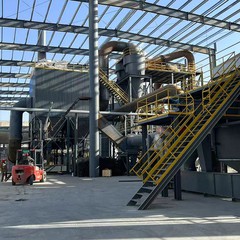
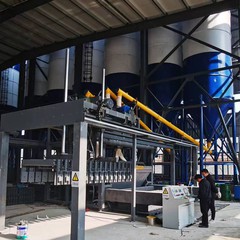
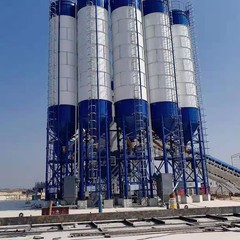
The raw materials for lightweight gypsum block production mainly include gypsum powder, additives, and water. These materials need proper storage to ensure their quality and easy access. For large - scale production, silos can be used to store gypsum powder, while additives can be stored in smaller containers. Water storage tanks should be located in a convenient position to facilitate the mixing process.
Mixing
The mixing stage is where the raw materials are combined to form a homogeneous mixture. High - quality mixers are essential to ensure the proper blending of materials. The layout should allow for a smooth transfer of raw materials from storage to the mixer. Additionally, the mixer should be placed close to the molding area to minimize the time between mixing and molding, which can affect the quality of the gypsum blocks.
Molding
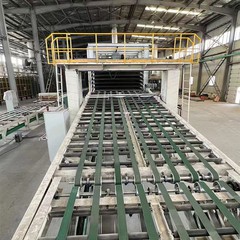
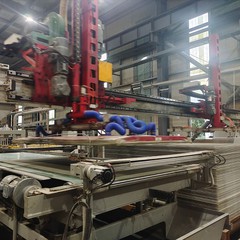
Molding is a critical step in the production process. The molding equipment should be arranged in a way that allows for efficient block production. Consider the size and shape of the molds, as well as the speed of the molding machine. The layout should also provide enough space for mold handling and maintenance.
Curing
After molding, the gypsum blocks need to be cured to achieve the desired strength. Curing chambers or racks should be designed to accommodate the large number of blocks produced in a large - scale production line. The layout of the curing area should ensure proper ventilation and temperature control to facilitate the curing process.
Packaging
Once the blocks are cured, they are ready for packaging. The packaging area should be located near the curing area to minimize transportation time. Automated packaging equipment can significantly improve packaging efficiency, and the layout should be designed to support the smooth operation of this equipment.


Key Considerations for Layout Optimization
Space Utilization
In large - scale production, space is a precious resource. The layout should make the most of the available space while ensuring a comfortable working environment for the operators. Consider using vertical storage solutions for raw materials and finished products to save floor space. Additionally, the equipment should be arranged in a compact but functional manner.
Workflow Efficiency
A well - designed layout should promote a smooth workflow. Minimize the distance that materials and products need to travel between different stages of production. This can reduce the time and effort required for transportation, improving overall productivity. For example, the raw material storage area should be close to the mixing area, and the molding area should be adjacent to the curing area.
Safety
Safety is of utmost importance in any production environment. The layout should include safety features such as emergency exits, fire protection equipment, and clear walkways. The equipment should be properly guarded to prevent accidents, and there should be sufficient space for operators to perform their tasks safely.
Flexibility
The production line layout should be flexible enough to adapt to changes in production volume, product specifications, or processing methods. This may require leaving some additional space for future expansion or modification of the equipment.
Strategies for Optimized Layout
Modular Design
Adopt a modular design approach for the production line. This allows different sections of the line, such as the mixing module, molding module, and curing module, to be easily assembled, disassembled, and reconfigured. Modular design also facilitates maintenance and upgrades to the equipment.
Automation and Integration
Implement automation and integration technologies to streamline the production process. Automated conveyor systems can be used to transfer materials and products between different stages of production, reducing manual labor and improving efficiency. Integrated control systems can monitor and manage the operation of the entire production line, ensuring consistent quality and productivity.
Lean Manufacturing Principles
Apply lean manufacturing principles to the layout design. Eliminate waste in the form of unnecessary movement, waiting time, and overproduction. This can involve optimizing the layout to reduce the number of non - value - adding activities and improving the flow of materials and information.
Our Production Line Offerings
As a leading supplier, we offer a range of production lines tailored to different needs. Our Eco - friendly Lightweight Gypsum Block Production Line is designed with environmental friendliness in mind, using sustainable materials and energy - efficient processes. The Hollow Gypsum Block Production Line is suitable for producing hollow gypsum blocks, which have advantages in terms of insulation and weight reduction.
Our Smart Lightweight Gypsum Line incorporates advanced automation and control technologies, enabling intelligent production management. The Large - scale Lightweight Gypsum Block Production Line is specifically engineered for high - volume production, ensuring efficiency and reliability. And the Eco Lightweight Gypsum Line combines environmental protection and high - quality production.
Conclusion
Optimizing the layout of a large - scale lightweight gypsum block production line is a complex but rewarding task. By understanding the production process, considering key factors such as space utilization, workflow efficiency, safety, and flexibility, and implementing appropriate strategies like modular design, automation, and lean manufacturing principles, you can create a highly efficient and productive production line.
If you're interested in our production lines or need further advice on layout optimization, we're here to help. Contact us for more information and let's start a discussion on how we can meet your production needs.
References
- Smith, J. D. (2020). Industrial Production Line Design. Publisher XYZ.
- Johnson, A. B. (2019). Lean Manufacturing in the Building Materials Industry. Journal of Manufacturing Excellence, 15(2), 34 - 45.
- Brown, C. E. (2018). Automation Technologies for Large - Scale Production. Tech Press.