

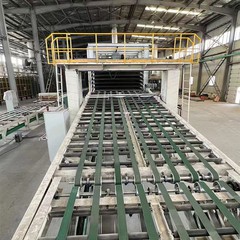
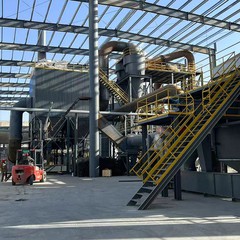
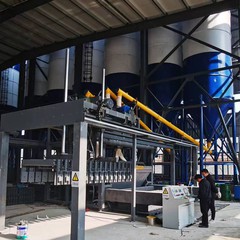
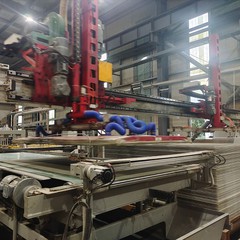
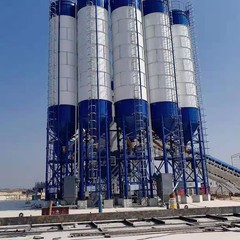
The key to judging the material quality of a cement mortar mixing plant lies in combining visual inspection, hardness testing, component analysis, and process verification, employing targeted testing methods for different materials.
Quality Judgment of High Wear-Resistant Alloy Steel
This is the main material used in the main structure of the mixing plant (such as the frame and conveyor belt supports), and its quality directly affects the overall stability of the equipment.
Hardness Testing: Using a portable Rockwell hardness tester (HRC), on-site testing is conducted. High-quality high wear-resistant alloy steel should have a hardness of HRC45 or higher. If it is lower than HRC40, there may be issues with substandard materials or improper heat treatment.

Component Spectroscopic Analysis: The content of key elements is detected using a handheld X-ray fluorescence spectrometer, such as chromium (Cr) ≥8%, molybdenum (Mo) ≥0.5%, and manganese (Mn) ≥1.5%. These elements significantly improve the wear resistance and impact resistance of the steel.
Metallographic Observation: After sampling, observe under a microscope. High-quality materials should exhibit a uniform tempered martensite + dispersed carbide structure. If network carbides or grain boundary segregation appears, the material is prone to brittle fracture and has a short service life.
Surface Treatment Process: Observe whether the steel surface has undergone shot peening and anti-corrosion coating. This effectively prevents early corrosion during transportation and use, extending its service life.