

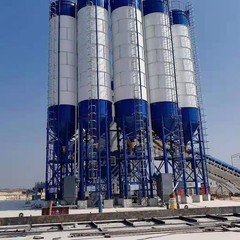



Hey there! As a supplier of desulfurization gypsum powder production lines, I often get asked about the investment return period of these setups. It's a crucial question for anyone looking to jump into this industry, so let's dive right in and break it down.
Understanding the Basics of Desulfurization Gypsum Powder Production
Desulfurization gypsum is a by - product of the flue gas desulfurization process in power plants. Turning this waste material into valuable gypsum powder is a great way to not only deal with environmental issues but also make a profit. There are different types of desulfurization gypsum powder production lines available, each with its own features and production capacities.
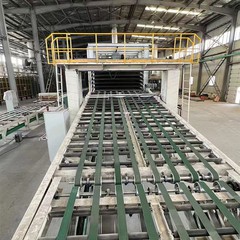
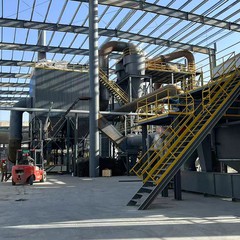
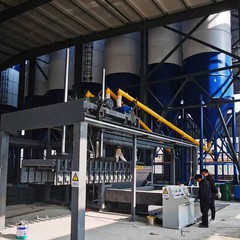
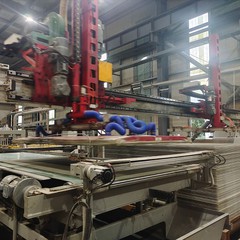
We offer various production lines, such as the Large - scale Desulfurization Gypsum Powder Production Line, Alpha Gypsum Powder Line, Industrial Gypsum Powder Line, Small - scale Desulfurization Gypsum Powder Production Line, and Building Grade Desulfurized Gypsum Powder Production Line. Each line is designed to meet different market demands and production requirements.
Factors Affecting the Investment Return Period
Initial Investment
The first thing that comes to mind when talking about the investment return period is the initial cost. This includes the price of the production line itself, installation costs, land acquisition (if needed), and the cost of getting the necessary permits. A large - scale production line will obviously cost more upfront than a small - scale one. But it also has the potential to generate more revenue in the long run.
For instance, a small - scale desulfurization gypsum powder production line might cost you around $50,000 - $100,000, while a large - scale one could set you back anywhere from $500,000 to over a million dollars. The installation process also varies in complexity and cost depending on the scale of the line.
Production Capacity
The production capacity of your line is directly related to how much money you can make. A higher - capacity line can produce more gypsum powder in a given time, which means more product to sell. However, you also need to have a market for all that extra output.
Let's say a small - scale line can produce around 1 - 5 tons of gypsum powder per hour, while a large - scale line can churn out 10 - 50 tons or more per hour. If you have a stable customer base and can sell all the powder you produce, the large - scale line will help you recoup your investment faster.
Operating Costs
Operating costs play a huge role in determining the investment return period. These costs include raw materials (desulfurization gypsum), energy consumption (electricity, fuel), labor costs, and maintenance expenses.
Desulfurization gypsum is often available at a relatively low cost since it's a waste product. But energy consumption can be a major expense, especially for large - scale production. Labor costs depend on the level of automation of your line. A more automated line will require fewer workers, reducing labor expenses in the long run.
Market Price and Demand
The price of desulfurization gypsum powder in the market and the demand for it are crucial factors. If the market price is high and there's a strong demand, you can sell your product quickly and at a good profit. On the other hand, if the market is saturated or the price is low, it will take longer to make back your investment.
The demand for desulfurization gypsum powder comes from various industries, such as construction, agriculture, and chemical manufacturing. In the construction industry, it can be used as a building material or an additive. In agriculture, it can improve soil quality. And in the chemical industry, it can be used in the production of other chemicals.
Calculating the Investment Return Period
The investment return period is basically the time it takes for your cumulative revenue to equal your initial investment. To calculate it, you first need to estimate your annual revenue and annual operating costs.
Let's assume you invest $200,000 in a medium - scale desulfurization gypsum powder production line. Your estimated annual revenue from selling the gypsum powder is $100,000, and your annual operating costs (including raw materials, energy, labor, and maintenance) are $60,000.


Your annual profit is $100,000 - $60,000 = $40,000. To find the investment return period, you divide the initial investment by the annual profit. So, $200,000 / $40,000 = 5 years.
However, this is a very simplified calculation. In reality, the market price and demand can fluctuate, and your operating costs might change over time. You also need to consider factors like depreciation of the production line and potential expansion.
Real - World Examples
Let's look at some real - world scenarios. A small business that invested in a Small - scale Desulfurization Gypsum Powder Production Line initially spent around $80,000. They targeted the local construction market and were able to sell their product at a decent price. With an annual profit of around $20,000, they managed to recoup their investment in about 4 years.
On the other hand, a large company that set up a Large - scale Desulfurization Gypsum Powder Production Line invested $800,000. They had a wider market reach, including both domestic and international customers. Their annual profit was around $200,000, and they were able to get their investment back in 4 - 5 years.
Tips to Shorten the Investment Return Period
Optimize Production Processes
Look for ways to improve the efficiency of your production line. This could involve upgrading equipment, using better technology, or streamlining the workflow. For example, if you can reduce the energy consumption of your line by 20%, it will significantly lower your operating costs and increase your profit margin.
Expand Your Market
Don't limit yourself to just one market. Try to find new customers in different industries or geographical areas. You can also consider exporting your product if there's a demand in other countries.
Control Costs
Keep a close eye on your operating costs. Negotiate better prices with your suppliers for raw materials, and look for ways to reduce labor costs without sacrificing quality. Regular maintenance of your production line can also prevent costly breakdowns.
Conclusion
The investment return period of a desulfurization gypsum powder production line depends on many factors, including the initial investment, production capacity, operating costs, and market conditions. By carefully considering these factors and taking steps to optimize your production and sales, you can shorten the investment return period and start making a profit sooner.
If you're interested in investing in a desulfurization gypsum powder production line, don't hesitate to reach out. We're here to help you choose the right line for your needs and provide you with all the support you need. Let's start this profitable journey together!
References
- Industry reports on desulfurization gypsum powder production
- Case studies of desulfurization gypsum powder production line investments
- Market research on the demand and price of desulfurization gypsum powder