

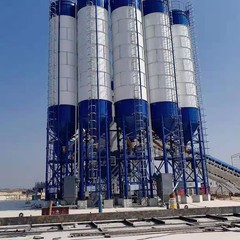



Hey there! As a supplier of high-strength calcium silicate board production lines, I've seen a lot in the industry. Running a high-strength calcium silicate board production line can be super rewarding, but it's not without its risks. Let's dive into some of the risk factors you need to keep in mind.
1. Raw Material Risks
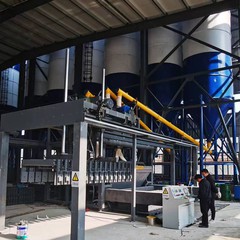
One of the first things you gotta worry about is the raw materials. High-strength calcium silicate boards are made from a mix of things like silica sand, lime, and fiber. The quality of these raw materials can vary big time. If you get low - quality silica sand, for example, it might not have the right chemical composition. This can lead to boards that don't have the strength they're supposed to.


Also, the supply of raw materials can be unstable. Sometimes, there are shortages due to things like natural disasters or political issues in the regions where these materials are mined. If you can't get enough raw materials, your production line will have to slow down or even stop. That's a huge loss, both in terms of time and money.
Another thing is the cost of raw materials. The prices can fluctuate based on market demand and supply. If the cost of raw materials goes up suddenly, it can eat into your profit margins. You might have to either raise the price of your boards, which could turn off customers, or find ways to cut costs elsewhere, which can be tricky.
2. Equipment - related Risks
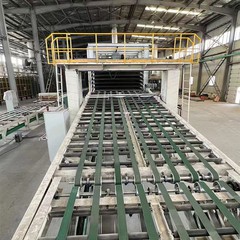
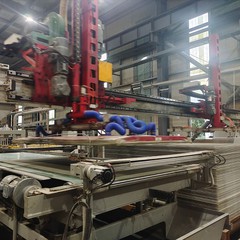
Your production line is only as good as its equipment. First off, there's the issue of equipment breakdown. High - strength calcium silicate board production lines are complex, with a lot of moving parts. Machines like mixers, presses, and dryers can break down due to regular wear and tear, or if they're not maintained properly.
When a piece of equipment breaks down, it can bring the whole production line to a halt. You'll have to stop production, find out what's wrong, and then repair or replace the faulty part. This not only causes a delay in production but also costs a lot in terms of repair or replacement fees.
Moreover, technology in the industry is always evolving. Newer and more efficient equipment keeps coming out. If you don't upgrade your production line regularly, you might end up with outdated machinery. Outdated equipment is often less efficient, uses more energy, and can produce lower - quality boards compared to the newer models. This can put you at a disadvantage in the market.
3. Environmental and Regulatory Risks
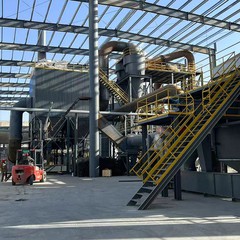
The production of high - strength calcium silicate boards can have an impact on the environment. For example, the manufacturing process generates a lot of dust and waste. If not managed properly, this dust can pollute the air and the waste can contaminate the soil and water.
There are strict environmental regulations in place to control this kind of pollution. If your production line doesn't meet these regulations, you could face hefty fines. You might even have to shut down your production temporarily to make the necessary changes to comply with the rules.
In addition, regulations regarding product quality and safety are also constantly changing. You need to make sure that your boards meet all the latest standards. If your products fail safety or quality tests, you'll have to recall them, which is extremely costly and can damage your reputation.
4. Market Risks
The market for high - strength calcium silicate boards is competitive. There are many other suppliers out there, and they're all trying to get a piece of the pie. If your competitors come up with a better product or offer a lower price, you might lose customers.
Market demand can also be unpredictable. The construction industry, which is a major consumer of calcium silicate boards, can be affected by economic conditions. During an economic downturn, construction projects are often put on hold or canceled, which means less demand for your boards. You could end up with a lot of inventory sitting in your warehouse, tying up your capital.
5. Human Resource Risks
You need a skilled workforce to run a high - strength calcium silicate board production line. Hiring and training the right people can be a challenge. It takes time and money to train workers to operate the complex machinery and follow the production process correctly.
If you have a high turnover rate, it can disrupt your production. New employees need time to get up to speed, and during this period, there's a higher risk of mistakes and accidents. Also, if your workers go on strike or demand higher wages, it can cause problems for your production line and your bottom line.
Our Solutions
But hey, don't think it's all doom and gloom! We're here to help you manage these risks. We offer Specialized Calcium Silicate Board Production Line for Exterior Walls, which is designed to be more efficient and reliable. Our High-density Calcium Silicate Board Production Line can produce high - quality boards that meet the latest market demands. And if you're looking for precision, our Precision Pressing Calcium Silicate Board Production Line is the way to go.
We also provide after - sales service and technical support to help you keep your production line running smoothly. Our team of experts can offer advice on raw material selection, equipment maintenance, and process optimization.
If you're interested in starting or improving your high - strength calcium silicate board production line, don't hesitate to reach out to us. We can have a chat, figure out your needs, and come up with the best solution for you. Let's work together to make your production a success!
References
- Calcium Silicate Board Manufacturing: Best Practices and Industry Trends. Journal of Building Materials Science.
- Environmental Regulations in the Construction Material Industry. Annual Report on Industrial Compliance.
- Market Analysis of High - Strength Calcium Silicate Boards. Global Construction Market Research.