

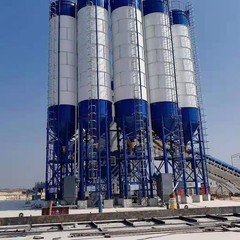



Optimizing the layout of a gypsum block production line is crucial for enhancing productivity, reducing operational costs, and ensuring the quality of the final products. As a leading gypsum block production line supplier, we understand the significance of a well - designed layout. In this blog, we will explore various aspects of optimizing the layout of a gypsum block production line.
Understanding the Production Process
Before delving into layout optimization, it is essential to have a clear understanding of the gypsum block production process. The typical process involves raw material preparation, mixing, molding, curing, and finishing. Each stage has its own specific requirements in terms of space, equipment, and workflow.
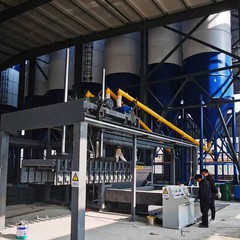
Raw material preparation is the first step. Gypsum powder, additives, and water need to be stored and measured accurately. This requires dedicated storage areas for different raw materials, as well as weighing and mixing equipment. The storage areas should be designed to prevent moisture ingress and ensure easy access for material handling.
The mixing stage combines the raw materials to form a homogeneous gypsum slurry. High - quality mixers are required to ensure proper blending. The layout should allow for a smooth transfer of materials from the storage areas to the mixers, minimizing the distance and potential for spillage.
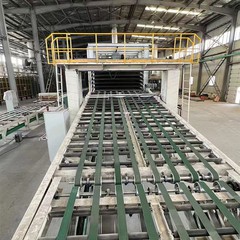
Molding is where the gypsum slurry is poured into molds to form the blocks. This stage needs sufficient space for the molds, as well as equipment for mold handling and demolding. The layout should facilitate the efficient movement of molds in and out of the molding area.
Curing is a critical step that affects the strength and quality of the gypsum blocks. Depending on the curing method (natural or artificial), the layout should provide appropriate curing chambers or areas with controlled temperature and humidity conditions.
Finishing operations, such as edge trimming and surface polishing, are the final steps in the production process. These require dedicated workstations and equipment, and the layout should ensure a seamless flow of blocks from the curing area to the finishing area.
Key Considerations for Layout Optimization
1. Space Utilization
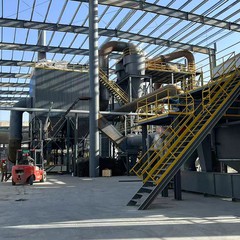
Efficient space utilization is the cornerstone of a well - optimized layout. Analyze the available floor space and plan the placement of equipment in a way that minimizes wasted space. Consider vertical space as well; for example, using multi - level storage for raw materials or spare parts can save valuable floor area. Ensure that there are clear aisles and passages for the movement of personnel, forklifts, and other material handling equipment.
2. Workflow Continuity
The layout should be designed to promote a continuous and smooth workflow. Minimize the back - and - forth movement of materials and products between different production stages. For instance, the mixing area should be as close as possible to the molding area to reduce the time and distance the gypsum slurry needs to travel. This not only improves productivity but also reduces the risk of the slurry setting prematurely.
3. Equipment Placement
Proper equipment placement is crucial. Place the major equipment such as mixers, molding machines, and curing chambers in a logical sequence based on the production process. Ensure that each piece of equipment has enough space around it for maintenance, cleaning, and operator access. Also, consider the power supply, water supply, and drainage requirements when placing the equipment.
4. Safety
Safety is non - negotiable in a production environment. Design the layout to include safety features such as emergency exits, safety barriers, and proper ventilation. Keep the work areas well - lit and free from clutter. Provide clear signage to indicate potential hazards and safety procedures.
5. Scalability
As your business grows, you may need to expand your production capacity. The layout should be designed with scalability in mind. Leave some flexible space for future equipment addition or process modification. This will save you from the hassle and cost of a major layout overhaul in the future.
Layout Optimization Strategies
1. Lean Manufacturing Principles
Apply lean manufacturing principles to eliminate waste in the production process. This includes reducing non - value - added activities such as excessive material handling, waiting times, and overproduction. For example, implementing a just - in - time (JIT) inventory system can reduce the amount of raw material storage space required and improve the cash flow.
2. Process Integration
Integrate the different production processes as much as possible. For example, use a continuous conveyor system to transfer the gypsum blocks from one stage to another instead of relying on manual handling. This not only speeds up the production process but also reduces the risk of damage to the blocks.


3. Automation
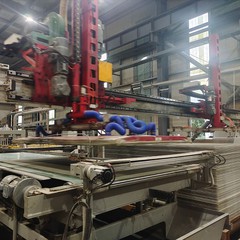
Invest in automation to improve the efficiency and accuracy of the production process. Automated equipment such as robotic mold handling systems and automatic mixing machines can reduce labor costs and increase production consistency. When planning the layout, ensure that there is enough space for the installation and operation of automated equipment.
4. Material Flow Analysis
Conduct a detailed material flow analysis to identify the most efficient routing of materials throughout the production line. Use flowcharts and simulation software to visualize the material flow and identify bottlenecks. By optimizing the material flow, you can reduce the time and cost associated with material handling.
Our Gypsum Block Production Lines
We offer a range of high - quality gypsum block production lines to meet different customer needs. Our Hollow Gypsum Block Production Line is designed to produce hollow gypsum blocks that are lightweight and energy - efficient. The layout of this production line is carefully optimized to ensure high productivity and low energy consumption.
Our Full - automatic Lightweight Gypsum Block Production Line features advanced automation technology, which can significantly reduce labor requirements and improve production efficiency. The layout of this line is designed to facilitate a seamless and continuous production process.
The Modular High - strength Gypsum Block Production Line is modular in design, which means it can be easily customized and expanded according to your production needs. The layout of this line takes into account the requirements for producing high - strength gypsum blocks, such as proper curing and finishing.
Our Large - scale Lightweight Gypsum Block Production Line is suitable for large - scale production. The layout of this line is optimized for high - volume production, with efficient material handling and workflow management.
The High - strength Load - bearing Gypsum Block Production Line is designed to produce gypsum blocks with high load - bearing capacity. The layout of this line is carefully planned to ensure the quality and strength of the final products.
Conclusion
Optimizing the layout of a gypsum block production line is a complex but rewarding process. By considering factors such as space utilization, workflow continuity, equipment placement, safety, and scalability, and by applying strategies such as lean manufacturing, process integration, automation, and material flow analysis, you can significantly improve the efficiency and productivity of your production line.
If you are interested in purchasing a gypsum block production line or need help in optimizing your existing layout, please feel free to contact us for a detailed consultation. We are committed to providing you with the best solutions to meet your production needs.
References
- Juran, J. M., & Godfrey, A. B. (1999). Juran's quality handbook. McGraw - Hill.
- Ohno, T. (1988). Toyota production system: beyond large - scale production. Productivity Press.
- Schonberger, R. J. (1982). Japanese manufacturing techniques: nine hidden lessons in simplicity. Free Press.