

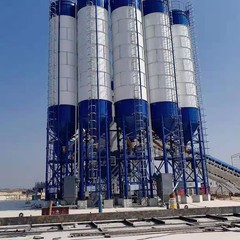



As a supplier of engineering cement mortar mixing plants, I often encounter inquiries about whether our plants can be used for special - purpose mortars. This is a crucial question in the construction and mortar production industry, as the demand for special - purpose mortars has been on the rise in recent years. In this blog, I will delve into this topic, analyzing the feasibility, challenges, and considerations when using an engineering cement mortar mixing plant for special - purpose mortars.
Understanding Engineering Cement Mortar Mixing Plants
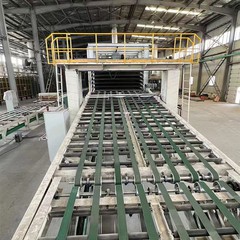
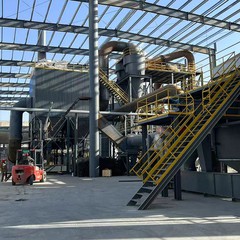
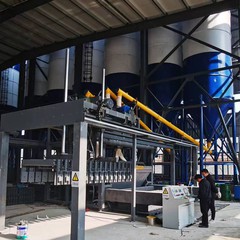
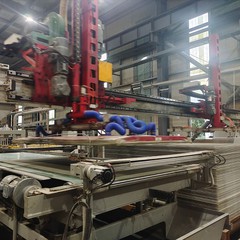
First, let's briefly introduce what an engineering cement mortar mixing plant is. Our company offers a variety of high - quality engineering cement mortar mixing plants, including the Large - scale Engineering Cement Mortar Mixing Plant, Modular Cement Mortar Mixing Plant, Full - automatic Engineering Cement Mortar Mixing Plant, and High - efficiency Energy - saving Cement Mortar Mixing Plant. These plants are designed to mix cement, sand, water, and other additives in precise proportions to produce high - quality cement mortar for general engineering purposes.
The basic functions of these plants include accurate material feeding systems, efficient mixing devices, and reliable discharging mechanisms. They are capable of handling large - scale production, ensuring consistent quality of the mortar output. However, special - purpose mortars have unique requirements that may challenge the performance of a standard engineering cement mortar mixing plant.
Special - Purpose Mortars and Their Requirements
Special - purpose mortars are formulated to meet specific performance criteria for various applications. For example, waterproof mortar is designed to prevent water penetration, bonding mortar is used to ensure strong adhesion between building materials, and thermal insulation mortar helps to reduce heat transfer. Each type of special - purpose mortar has its own set of raw materials, mixing ratios, and processing requirements.
The raw materials for special - purpose mortars may include not only cement and sand but also polymers, fibers, chemical additives, and lightweight aggregates. These additional components need to be carefully selected and mixed in the right proportions to achieve the desired performance. For instance, the addition of polymers can improve the flexibility and adhesion of the mortar, while fibers can enhance its crack resistance.
Feasibility of Using an Engineering Cement Mortar Mixing Plant for Special - Purpose Mortars
In many cases, an engineering cement mortar mixing plant can be used for special - purpose mortars with some modifications and adjustments. Most modern plants have the basic infrastructure to handle different types of materials and perform mixing operations. The key lies in ensuring that the plant can accurately measure and mix the special additives required for special - purpose mortars.


Our Full - automatic Engineering Cement Mortar Mixing Plant is equipped with advanced weighing systems that can precisely control the amount of each material. This allows for the accurate addition of special additives, which is crucial for the performance of special - purpose mortars. The high - speed mixing device in our plants can ensure uniform distribution of these additives throughout the mortar, resulting in a homogeneous product.
However, the feasibility also depends on the type and complexity of the special - purpose mortar. Some highly specialized mortars may require extremely precise temperature control during mixing, which may not be available in a standard engineering cement mortar mixing plant. In such cases, additional equipment or modifications may be needed.
Challenges in Using an Engineering Cement Mortar Mixing Plant for Special - Purpose Mortars
Despite the feasibility, there are several challenges when using an engineering cement mortar mixing plant for special - purpose mortars.
One of the main challenges is the compatibility of raw materials. Special - purpose mortars often contain chemical additives that may react with the components of the mixing plant. For example, some polymers may adhere to the inner walls of the mixing chamber, causing blockages and affecting the quality of the subsequent batches. Regular cleaning and maintenance of the plant are essential to prevent such issues.
Another challenge is the need for accurate process control. Special - purpose mortars have strict requirements for mixing time, speed, and temperature. Deviations from the specified parameters can lead to poor performance of the mortar. Our High - efficiency Energy - saving Cement Mortar Mixing Plant is designed with advanced control systems to monitor and adjust these parameters, but continuous monitoring and optimization are still necessary.
Considerations for Using an Engineering Cement Mortar Mixing Plant for Special - Purpose Mortars
If you are considering using an engineering cement mortar mixing plant for special - purpose mortars, here are some important considerations:
- Raw Material Compatibility: Before starting production, conduct compatibility tests between the special additives and the mixing plant components. This can help you identify potential problems and take preventive measures.
- Equipment Modification: Depending on the requirements of the special - purpose mortar, you may need to modify the mixing plant. This could include adding new feeding systems for special additives or upgrading the temperature control system.
- Operator Training: Operators should be well - trained on the production process of special - purpose mortars. They need to understand the importance of accurate material measurement, process control, and equipment maintenance.
- Quality Control: Establish a comprehensive quality control system to ensure that the special - purpose mortars meet the required standards. This includes regular sampling and testing of the mortar during production.
Conclusion
In conclusion, an engineering cement mortar mixing plant can be used for special - purpose mortars with proper planning, modifications, and control. Our company's range of mixing plants, such as the Large - scale Engineering Cement Mortar Mixing Plant and Modular Cement Mortar Mixing Plant, provide a solid foundation for producing special - purpose mortars. However, it is important to be aware of the challenges and take appropriate measures to ensure the quality and performance of the final product.
If you are interested in purchasing an engineering cement mortar mixing plant for special - purpose mortars or have any questions about our products, we welcome you to contact us for procurement and negotiation. We are committed to providing you with high - quality equipment and professional technical support to meet your specific needs.
References
- Neville, A. M. (1995). Properties of Concrete. Pearson Prentice Hall.
- Mehta, P. K., & Monteiro, P. J. M. (2013). Concrete: Microstructure, Properties, and Materials. McGraw - Hill Education.