

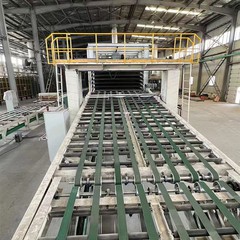
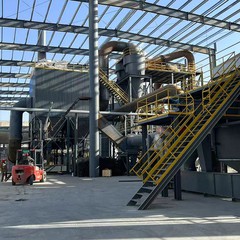
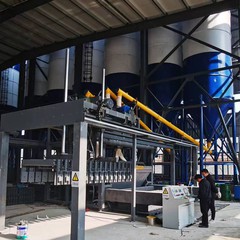
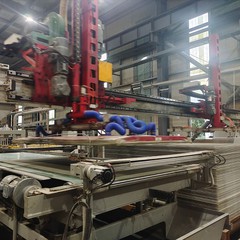
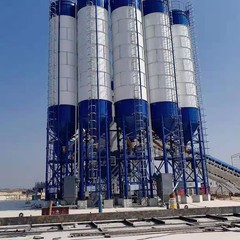



As a supplier of special mortar mixing plants, I often get asked whether our equipment can be used in cold weather. This is a crucial question, as winter construction projects are not uncommon, and contractors need reliable equipment to ensure project success. In this blog post, I'll explore the feasibility of using special mortar mixing plants in cold weather, discussing potential challenges and solutions.
Understanding the Challenges of Cold Weather Construction
Cold weather presents several challenges for mortar mixing and application. Firstly, low temperatures slow down the hydration process of cement, which is the key binding agent in mortar. Hydration is a chemical reaction between cement and water that causes the mortar to harden and gain strength. When temperatures drop, this reaction rate decreases significantly, leading to longer setting times and potentially weaker final products.
Secondly, freezing temperatures can cause water in the mortar to freeze. When water freezes, it expands, which can disrupt the structure of the mortar and lead to cracks and reduced durability. Additionally, cold weather can make the mortar more difficult to mix and apply, as it may become stiffer and less workable.
Can Special Mortar Mixing Plants Overcome These Challenges?
The good news is that modern special mortar mixing plants are designed to handle a wide range of environmental conditions, including cold weather. These plants incorporate several features that help mitigate the negative effects of low temperatures:
Temperature Control Systems
Many special mortar mixing plants are equipped with temperature control systems. These systems can pre - heat the raw materials, such as water and aggregates, before they are mixed. By raising the temperature of the components, the hydration process can proceed at a more normal rate even in cold conditions. For example, pre - heating the water to an optimal temperature can significantly improve the setting time and strength development of the mortar.
Insulation
Mixing plants can be insulated to prevent heat loss during the mixing process. Insulated mixing drums and storage silos help maintain the temperature of the mortar mixture, ensuring that it remains workable and that the chemical reactions proceed as intended. This is especially important during transportation and storage of the mixed mortar.
Special Mixing Algorithms
Advanced special mortar mixing plants use sophisticated mixing algorithms that take into account the temperature and other environmental factors. These algorithms can adjust the mixing time, speed, and the amount of additives to optimize the quality of the mortar in cold weather. For instance, they may increase the mixing time to ensure a more thorough mixing and better dispersion of additives, which can enhance the mortar's performance in low temperatures.
Types of Special Mortar Mixing Plants Suitable for Cold Weather
There are several types of special mortar mixing plants that can be used effectively in cold weather. Each type is designed for specific applications and offers unique features:
Full - automatic Special Mortar Mixing Plant
This type of plant offers high - efficiency and precise control. With its automated operation, it can accurately measure and mix the raw materials, including additives that can improve the mortar's cold - weather performance. The full - automatic system can also be integrated with temperature control devices to ensure consistent production quality even in cold environments.
Self - leveling Mortar Mixing Plant
Self - leveling mortar is often used in construction projects where a smooth and level surface is required. In cold weather, the viscosity of self - leveling mortar can increase, making it more difficult to spread. However, a specialized self - leveling mortar mixing plant can incorporate heating elements and optimized mixing processes to produce a mortar that remains fluid and easy to apply in low temperatures.
Waterproof Mortar Mixing Plant
Waterproof mortar is essential for protecting structures from water damage. In cold weather, the curing process of waterproof mortar can be affected by low temperatures. A waterproof mortar mixing plant can be designed to add special additives that enhance the mortar's early - age strength and waterproofing properties, even in cold conditions. This ensures that the structure remains protected from water infiltration during the cold season.
Special Mixing Plant for Thermal Insulation Mortar
Thermal insulation mortar is crucial for improving the energy efficiency of buildings. Cold weather can impact the insulation performance of the mortar if not properly formulated and mixed. The special mixing plant for thermal insulation mortar can ensure the proper mixing of insulation materials and other components, and it can also adjust the recipe to account for low temperatures, maintaining the mortar's thermal insulation properties.


Best Practices for Using Special Mortar Mixing Plants in Cold Weather
To ensure the successful use of special mortar mixing plants in cold weather, the following best practices should be followed:
Pre - project Planning
Before starting a project in cold weather, conduct a detailed assessment of the expected temperature conditions. Based on this assessment, select the appropriate type of special mortar and adjust the mixing parameters accordingly.
Monitoring
Continuously monitor the temperature of the raw materials, the mixing process, and the surrounding environment. Make real - time adjustments to the mixing process if necessary to ensure the quality of the mortar.
Training
Ensure that the operators of the special mortar mixing plant are well - trained in cold - weather operation. They should understand the unique challenges and requirements of cold - weather construction and be able to operate the equipment effectively.
Conclusion
In conclusion, special mortar mixing plants can be used in cold weather, provided that they are equipped with appropriate features and that best practices are followed. Our company, as a professional supplier of special mortar mixing plants, offers a wide range of high - quality products designed to meet the diverse needs of cold - weather construction projects. Whether you need a Full - automatic Special Mortar Mixing Plant, a Self - leveling Mortar Mixing Plant, a Waterproof Mortar Mixing Plant, or a Special Mixing Plant for Thermal Insulation Mortar, we have the right solution for you.
If you are planning a construction project in cold weather and need a reliable special mortar mixing plant, don't hesitate to contact us. We are ready to provide you with professional advice and high - quality products to ensure the success of your project.
References
- Neville, A. M. (1995). Properties of Concrete. Pearson Education.
- Mindess, S., Young, J. F., & Darwin, D. (2003). Concrete. Prentice Hall.