

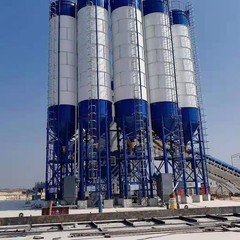



As a supplier of cement mortar mixing plants, I've seen firsthand the growing concerns about their environmental impacts. In this blog, I'll break down the various ways these plants can affect the environment and share how we're working to mitigate these issues.
Air Pollution
One of the most significant environmental impacts of a cement mortar mixing plant is air pollution. When cement and other dry materials are handled, stored, and mixed, they can generate a lot of dust. This dust contains fine particles that can be inhaled into the lungs, causing respiratory problems for workers and nearby residents.
The dust emissions from a cement mortar mixing plant mainly come from several sources. First, the loading and unloading of raw materials, such as cement, sand, and additives, can create a cloud of dust. Second, the mixing process itself can also release dust into the air. And third, the transportation of finished products can kick up dust on the roads.
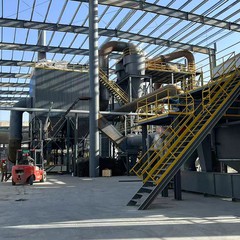
To address this issue, we offer the Eco - friendly Dust Removal Dry Mortar Mixing Plant. This plant is equipped with advanced dust removal systems that can capture and filter the dust particles before they are released into the atmosphere. These systems use technologies like bag filters and cyclone separators to effectively reduce dust emissions.
Water Pollution
Cement mortar mixing plants also have the potential to cause water pollution. During the cleaning process of the mixing equipment and the transportation vehicles, wastewater is generated. This wastewater often contains high levels of cement, sand, and other chemicals, which can contaminate nearby water sources if not properly treated.
The pollutants in the wastewater can have a negative impact on aquatic life. For example, the high pH level of the cement - containing water can make the water too alkaline for many fish and other organisms to survive. Additionally, the suspended solids in the wastewater can reduce the clarity of the water, blocking sunlight and affecting the growth of aquatic plants.
To prevent water pollution, our plants are designed with wastewater treatment systems. These systems can separate the solid particles from the water and treat the remaining water to meet environmental standards before it is discharged.
Noise Pollution
Another environmental concern associated with cement mortar mixing plants is noise pollution. The operation of the mixing equipment, conveyors, and other machinery can generate a significant amount of noise. This noise can be a nuisance to workers and nearby residents, and it can also have a negative impact on wildlife in the area.
The noise levels in a cement mortar mixing plant can reach high decibels, especially during the peak production periods. Prolonged exposure to high - level noise can cause hearing loss and other health problems for workers. To reduce noise pollution, we use noise - reducing technologies in our plants. For example, we install sound - proof enclosures around the noisy equipment and use vibration - damping materials to minimize the noise transmission.
Resource Consumption
Cement mortar mixing plants consume a large amount of resources, including raw materials and energy. Cement is a major raw material, and its production is energy - intensive and has a high carbon footprint. Additionally, sand and other aggregates are also used in large quantities, and the extraction of these materials can have a significant impact on the environment.
In terms of energy consumption, the mixing process requires a lot of electricity to power the motors and other equipment. To reduce resource consumption, we are constantly looking for ways to improve the efficiency of our plants. For example, we offer the High - yield Dry Mortar Mixing Plant, which is designed to produce more mortar with less energy and raw materials. This plant uses advanced mixing technologies and optimized production processes to achieve higher yields while reducing resource consumption.
Land Use
Cement mortar mixing plants require a significant amount of land for the installation of the equipment, storage of raw materials, and parking of vehicles. The construction of these plants can lead to the destruction of natural habitats and the loss of green spaces.


To minimize the impact on land use, we offer the Modular Cement Mortar Mixing Plant. This plant is designed in a modular way, which means it can be easily assembled and disassembled. It takes up less space compared to traditional plants and can be installed in a more compact area.
Our Commitment to Sustainability
At our company, we are committed to reducing the environmental impacts of our cement mortar mixing plants. We invest in research and development to improve the environmental performance of our products. We also work closely with our customers to ensure that they are using our plants in an environmentally friendly way.
We believe that by using our Eco - friendly Dust Removal Dry Mortar Mixing Plant, High - yield Dry Mortar Mixing Plant, and Modular Cement Mortar Mixing Plant, we can help our customers meet their production needs while minimizing the environmental impact.
If you're interested in learning more about our cement mortar mixing plants or have any questions about their environmental performance, feel free to reach out to us. We're here to help you make an informed decision and find the best solution for your business.
References
- "Environmental Impacts of Cement Production" - Journal of Environmental Science and Technology
- "Sustainable Practices in the Construction Industry" - Construction Management Review
- "Noise Pollution and Its Effects on Human Health" - Environmental Health Perspectives